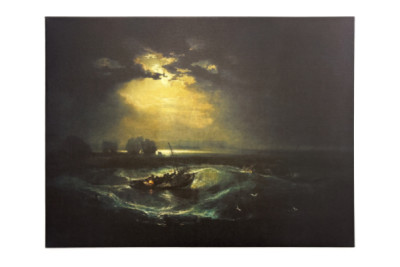
A choppy sea surrounds a fishing boat, whose crew almost vanishes into the vastness of the night. Above the horizon, moonlight breaks through heavy clouds and casts a yellow trail across the water. Turquoise-green wave crests, black depths and white spray swirl around the boat; to the left, the rocks of The Needles stand out against the Isle of Wight. Near the fishermen, a small lantern casts a second, orange-coloured point of light. This contrast encapsulates the entire meaning of the picture: human labour, shelter and community on the one hand, the grandeur of an unpredictable natural world on the other. As early as 1796, Turner was thus articulating a central theme of Romanticism: the sublime - a danger that both repels and attracts. As Turner’s first oil painting to be exhibited at the Royal Academy, the work also established his early reputation as a painter of the sea and light.
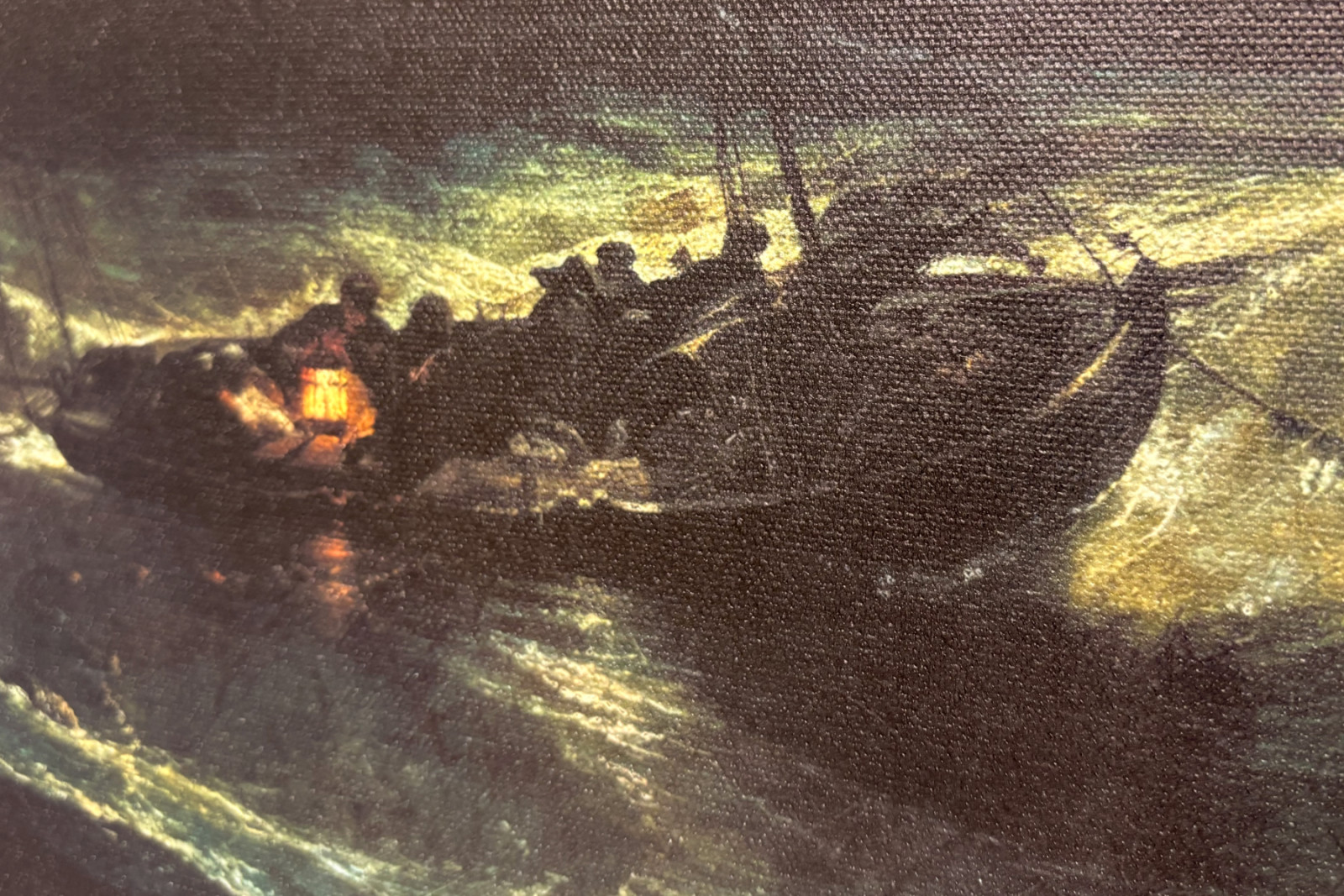
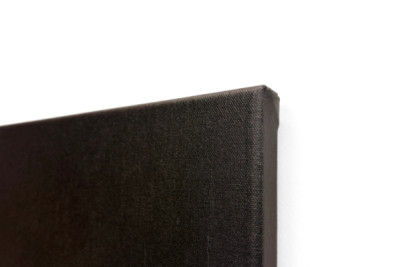
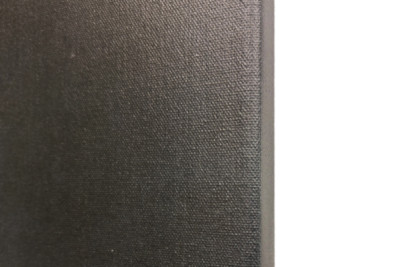
Measuring 75 x 56 centimetres, the canvas - made of Leonardo with a satin finish - depicts the nocturnal scene without glass or a passe-partout; the stretcher frame extends the motif in a mirrored pattern across the sides. The print reproduces the lantern in the boat with particular precision. Its orange-yellow core remains clearly visible between the dark figures of the fishermen, with a brief reflection appearing in the water beneath it. Even the slender masts, ropes and the raised bow edge still stand out from the almost black hull. It is precisely this that gives the picture its meaning: the light is not merely mere decoration; it defines the confined human space in the midst of the sea and, at the same time, renders the fishermen vulnerable. All around, the pressure of the waves creates a gradation of green, yellow and black, so that the surf retains its circular motion. The fact that the motif extends beyond the stretcher without glass or a frame is fitting for this sea - I wouldn’t want it any other way here.
Thus, the small lantern light continues to stand in contrast to the moon’s path, capturing the work’s message in a single dichotomy: humankind, tiny and fragile, faced with a nature that has no need of it. When side light falls on the satin-finished surface, a subdued glow wanders across the moonlit expanse and the spray, bringing the water to life a little more - f&a fitting effect for a nocturnal sea, one that you only notice when you take a few steps closer to the painting.
 ×
×






 +43 4257 29415
 support@meisterdrucke.com
 Mo-Do: 7:00 - 16:00 | Fr: 7:00 - 13:00