As the sun rises over the fields of the Nile Delta, it bathes the land in a light that has mesmerised painters and illustrators for thousands of years. It is a light that makes the colours of the earth glow, that paints the shadows of the palm trees on the golden sand and that transforms the facades of Cairo's old town into a kaleidoscope of ochre, turquoise and deep indigo. In the midst of this play of light and colour, a young artist sits at the window of an old house, his sketchbook on his knees, and captures life on the street with quick, confident lines: the traders with their fruit carts, the women in brightly coloured dresses, the throng of children. Thus the history of Egyptian painting does not begin in the halls of museums, but in everyday life, in the pulsating heartbeat of towns and villages.
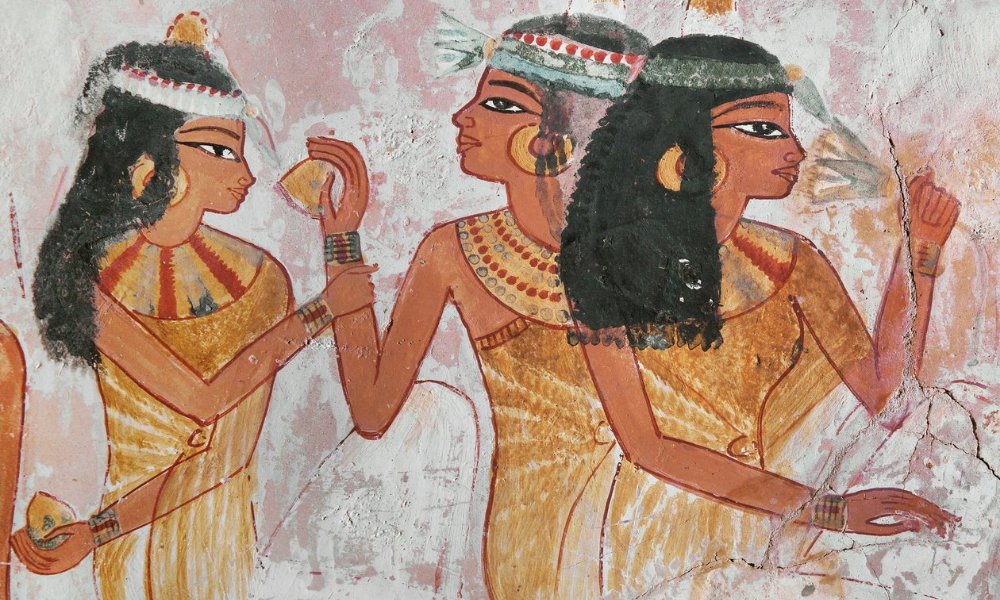
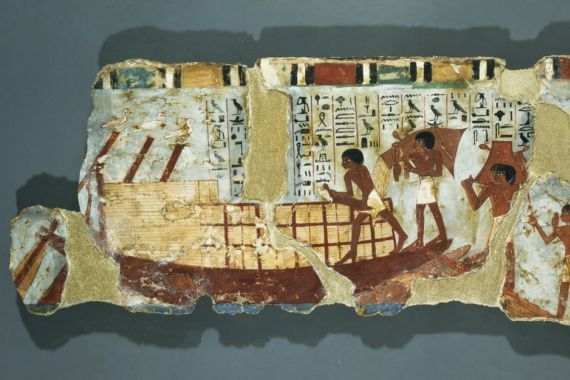
Those who associate Egypt only with hieroglyphics and monumental temples overlook the subtle nuances that unfold in the watercolours and drawings of the centuries. Even in the burial chambers of the pharaohs, we encounter a painting tradition that goes far beyond religious symbolism: the frescoes depict scenes of daily life, hunts, festivals, music - painted with a precision and colourfulness that still fascinates today. But the real heyday of Egyptian painting came in the centuries that followed, when the country became a melting pot of cultures. In the narrow streets of Alexandria, where Greek, Roman and Arabic influences came together, miniatures and illuminations were created that told stories of love, power and longing. Coptic art in particular, with its expressive icons and bright colours, had a lasting impact on Egyptian visual memory - and inspired generations of artists who repeatedly referred to these traditions in their works.
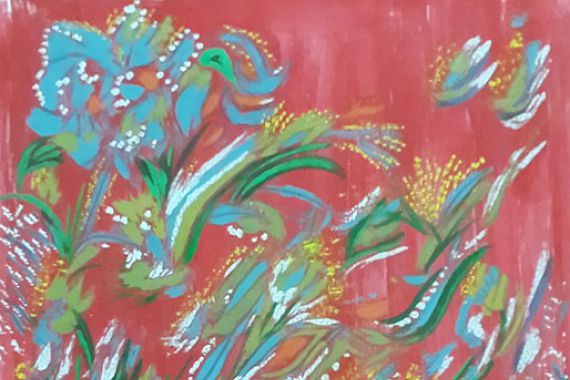
A surprising turning point came with the advent of modernism: while Europe was gripped by Impressionism and Expressionism, Egyptian artists such as Mahmoud Said and Gazbia Sirry were looking for their own visual language that combined the country's heritage with contemporary trends. Their oil paintings and gouaches are characterised by bold colours, clear contours and a deep connection with the landscape and the people of Egypt. Photography, which arrived in the 19th century, became not only a means of documentation, but also an art form: photographers such as Van Leo staged portraits that oscillate between the Orient and modernity, between nostalgia and new beginnings. And to this day, works are created in the studios of Cairo, Luxor and Alexandria that capture the light, the colours and the stories of Egypt on paper, canvas or photographic paper - as an invitation to rediscover the country again and again through the eyes of its artists.
As the sun rises over the fields of the Nile Delta, it bathes the land in a light that has mesmerised painters and illustrators for thousands of years. It is a light that makes the colours of the earth glow, that paints the shadows of the palm trees on the golden sand and that transforms the facades of Cairo's old town into a kaleidoscope of ochre, turquoise and deep indigo. In the midst of this play of light and colour, a young artist sits at the window of an old house, his sketchbook on his knees, and captures life on the street with quick, confident lines: the traders with their fruit carts, the women in brightly coloured dresses, the throng of children. Thus the history of Egyptian painting does not begin in the halls of museums, but in everyday life, in the pulsating heartbeat of towns and villages.
Those who associate Egypt only with hieroglyphics and monumental temples overlook the subtle nuances that unfold in the watercolours and drawings of the centuries. Even in the burial chambers of the pharaohs, we encounter a painting tradition that goes far beyond religious symbolism: the frescoes depict scenes of daily life, hunts, festivals, music - painted with a precision and colourfulness that still fascinates today. But the real heyday of Egyptian painting came in the centuries that followed, when the country became a melting pot of cultures. In the narrow streets of Alexandria, where Greek, Roman and Arabic influences came together, miniatures and illuminations were created that told stories of love, power and longing. Coptic art in particular, with its expressive icons and bright colours, had a lasting impact on Egyptian visual memory - and inspired generations of artists who repeatedly referred to these traditions in their works.
A surprising turning point came with the advent of modernism: while Europe was gripped by Impressionism and Expressionism, Egyptian artists such as Mahmoud Said and Gazbia Sirry were looking for their own visual language that combined the country's heritage with contemporary trends. Their oil paintings and gouaches are characterised by bold colours, clear contours and a deep connection with the landscape and the people of Egypt. Photography, which arrived in the 19th century, became not only a means of documentation, but also an art form: photographers such as Van Leo staged portraits that oscillate between the Orient and modernity, between nostalgia and new beginnings. And to this day, works are created in the studios of Cairo, Luxor and Alexandria that capture the light, the colours and the stories of Egypt on paper, canvas or photographic paper - as an invitation to rediscover the country again and again through the eyes of its artists.
 ×
× 






 Passionate Customer Service

 +43 4257 29415
 support@meisterdrucke.com
 Mo-Do: 7:00 - 16:00 | Fr: 7:00 - 13:00