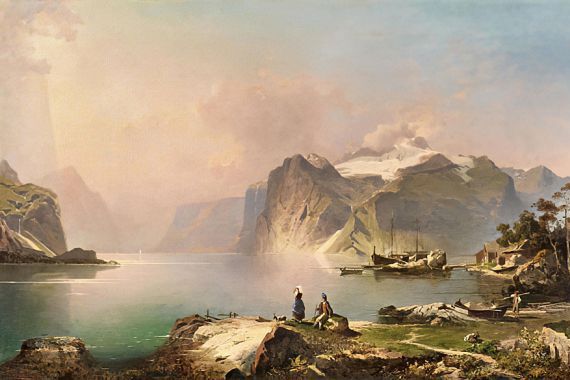
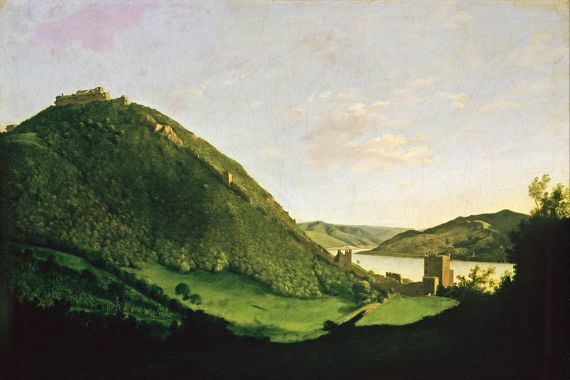
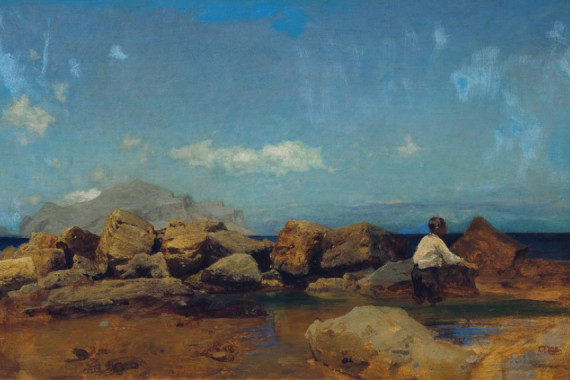
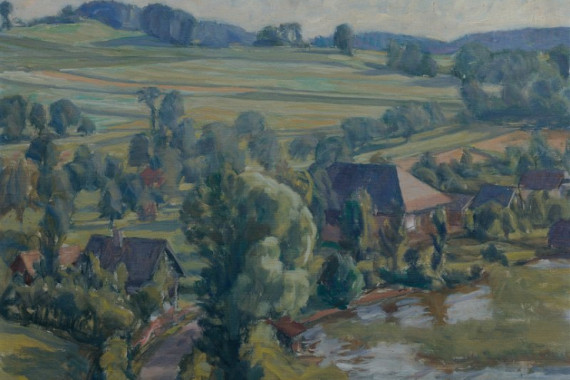
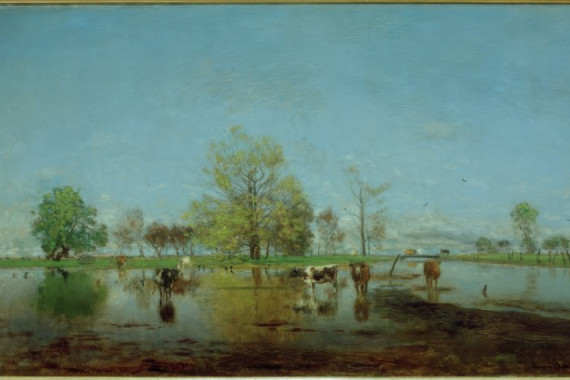
A soft mist lies over the rolling hills of the Wachau, while the light of the morning sun bathes the Danube in liquid gold - an image that permeates not only the landscape, but also the soul of Austrian art. In Austria, art is always a mirror of contrasts: Alpine clarity and baroque opulence, imperial splendour and bourgeois intimacy, melancholy and joie de vivre meet here. The artists of this country have always been inspired by nature, music and social change - and have created works that radiate far beyond its borders.
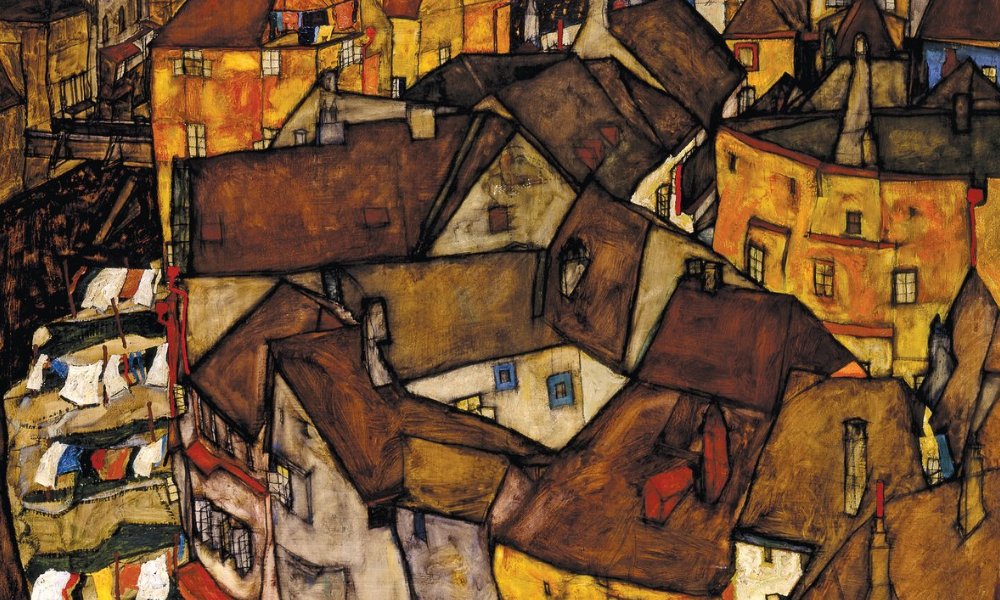
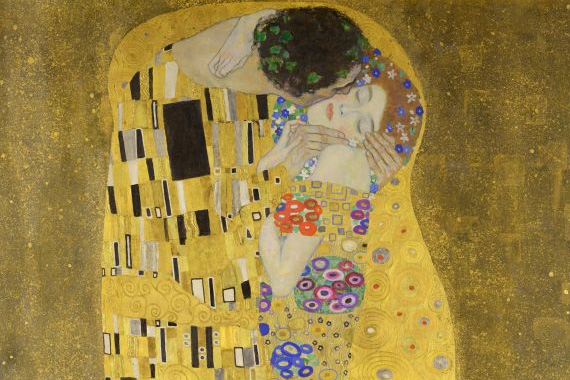
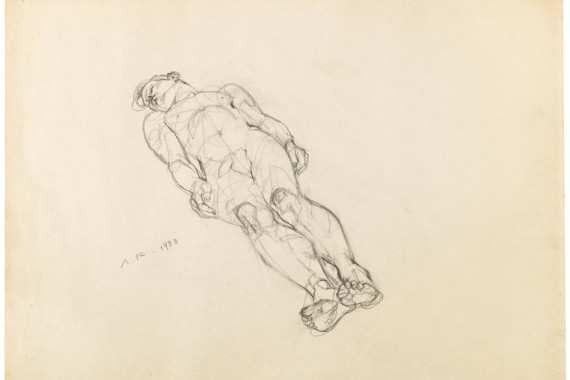
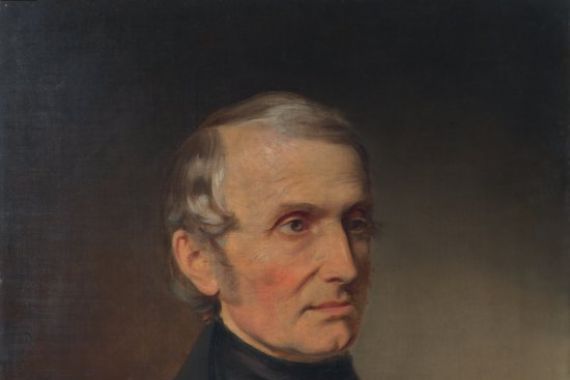
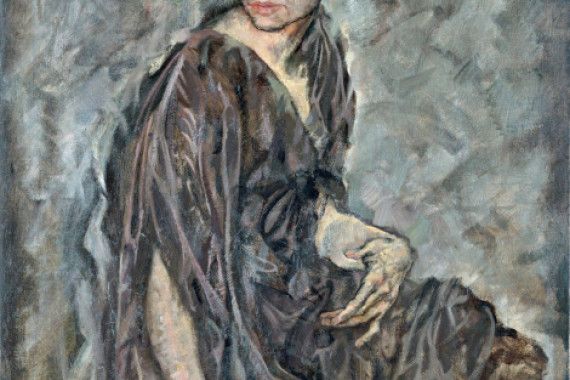
When you think of Austrian painting, you immediately sense the vibrant tension between tradition and new beginnings. Gustav Klimt, for example, whose "The Kiss" is now considered the epitome of Art Nouveau, was inspired by Byzantine mosaics as well as the sensuality of the Viennese salons. His shimmering golden oil paintings are not only decorative, but also tell of longing, eroticism and the pursuit of the absolute. Egon Schiele, Klimt's young contemporary, ventured even further: With nervous lines and expressive colours, he bared human existence as if he wanted to turn the innermost outwards. To this day, his watercolours and drawings have the effect of an electric shock - raw, vulnerable, uncompromising.
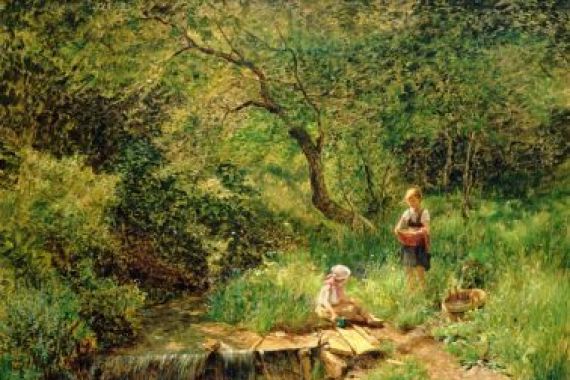
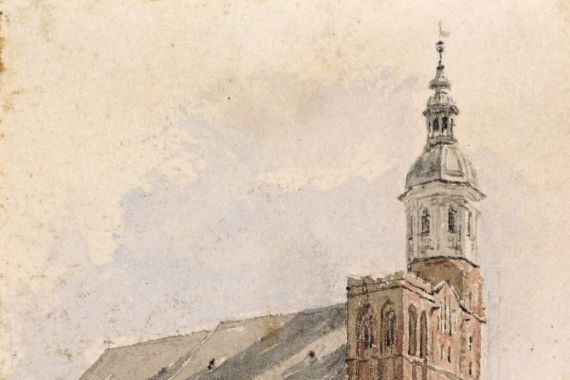
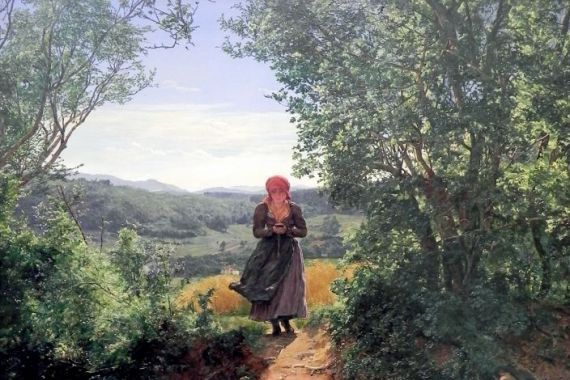
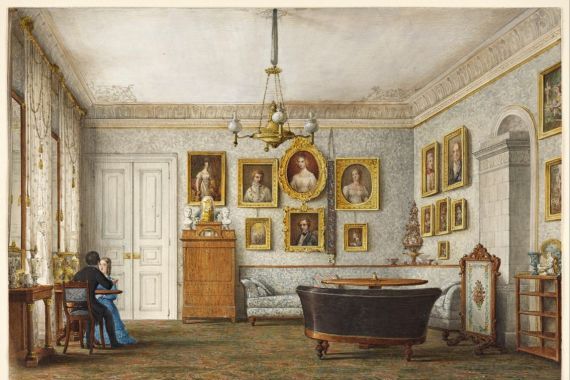
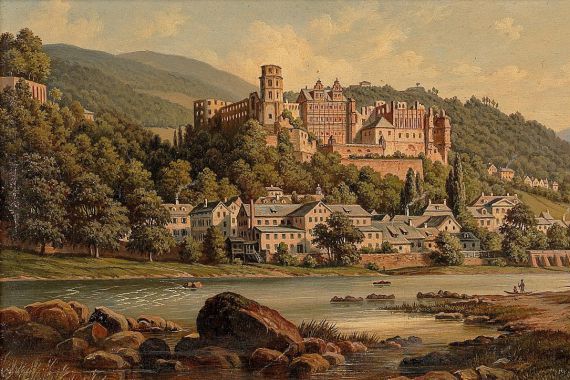
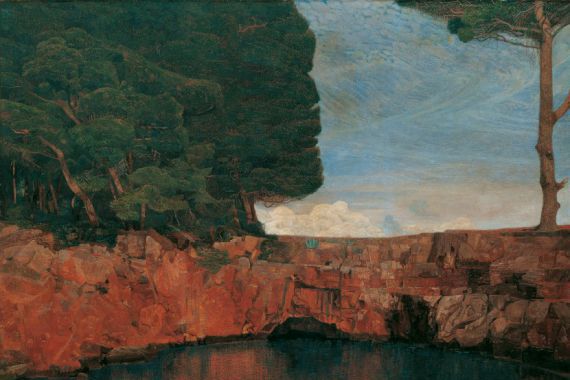
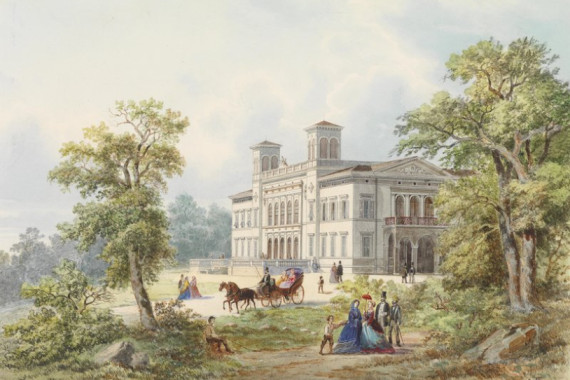
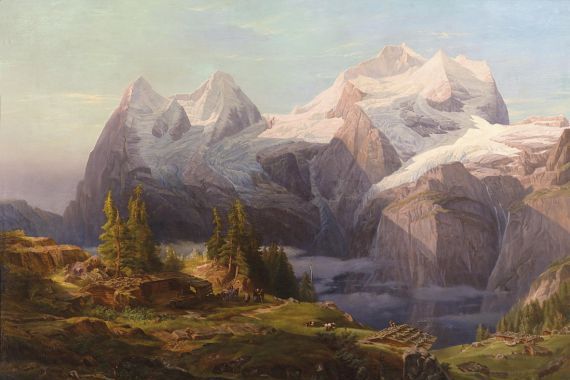
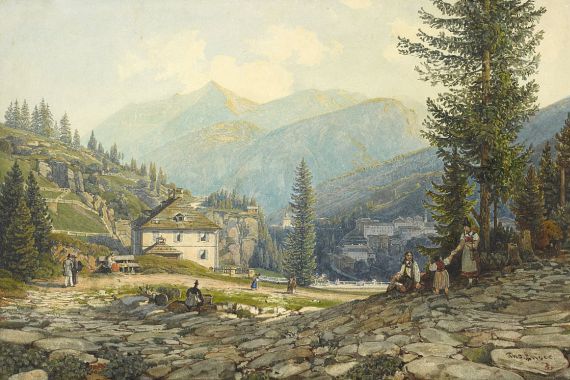
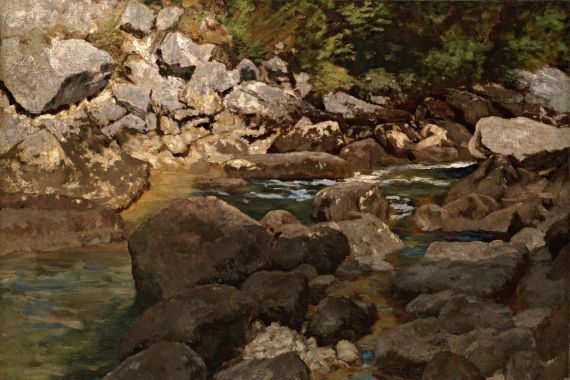
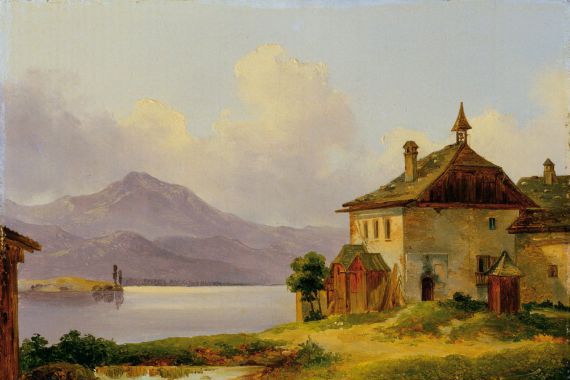
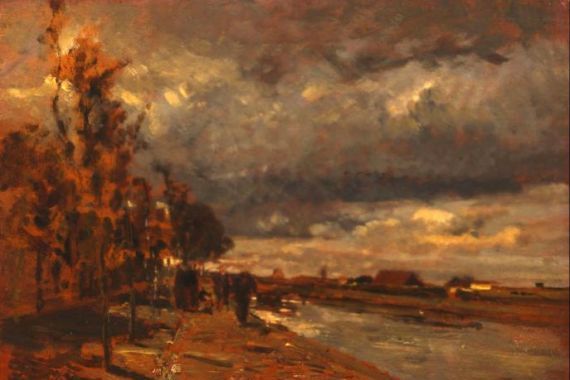
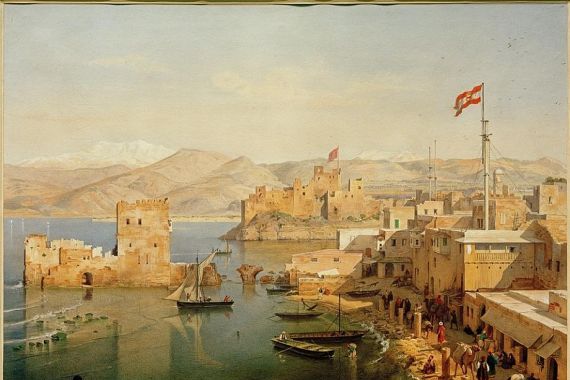
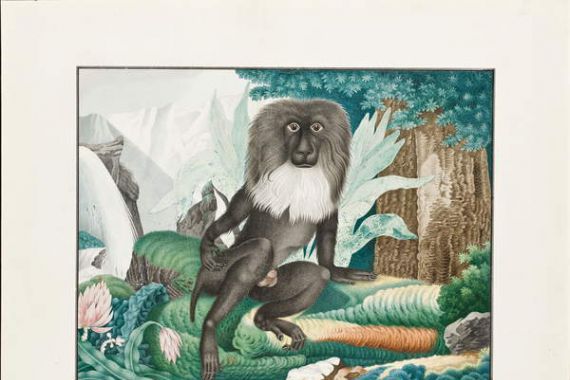
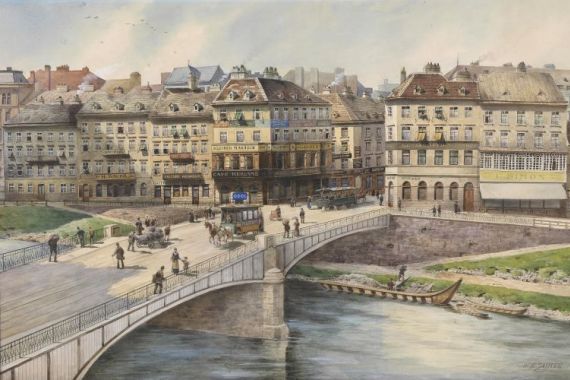
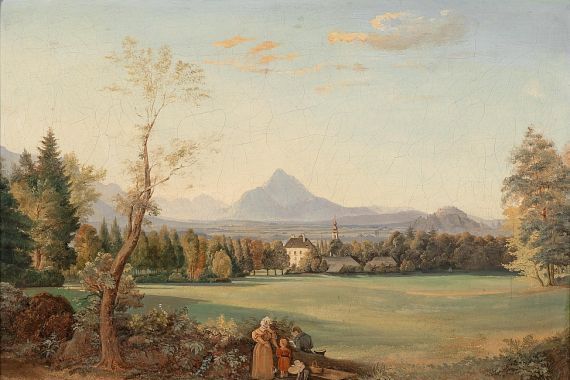
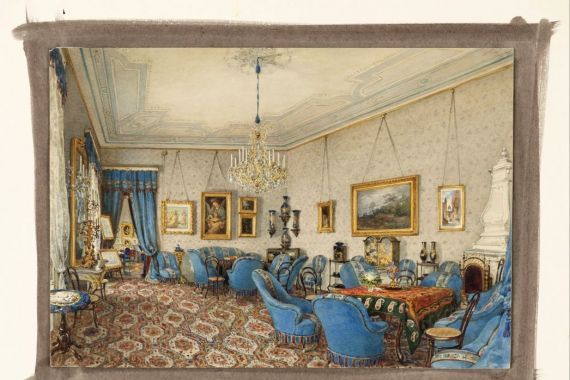
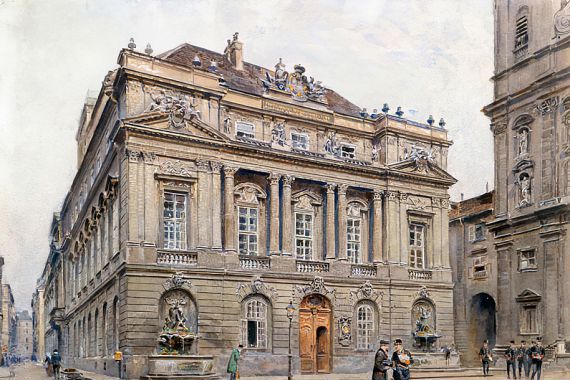
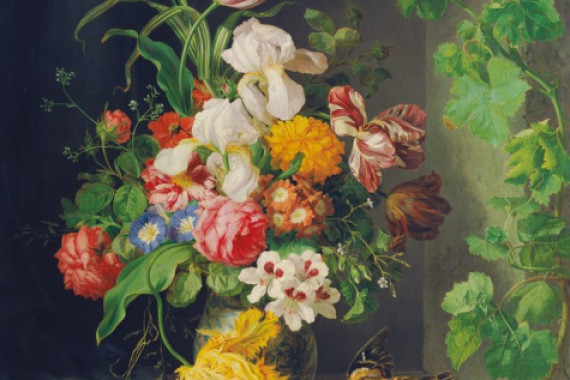
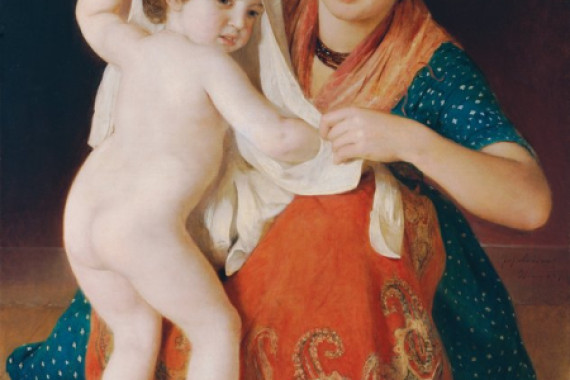
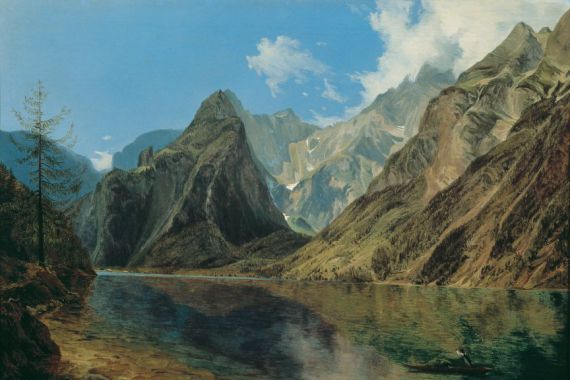
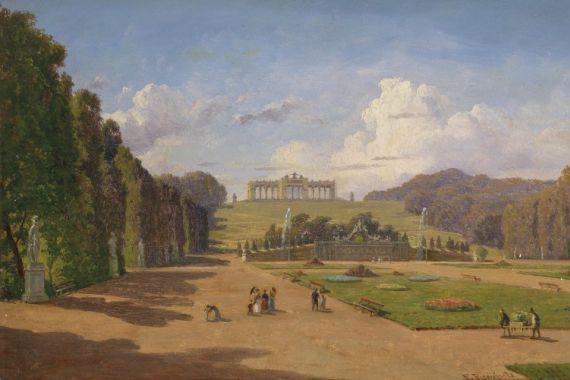
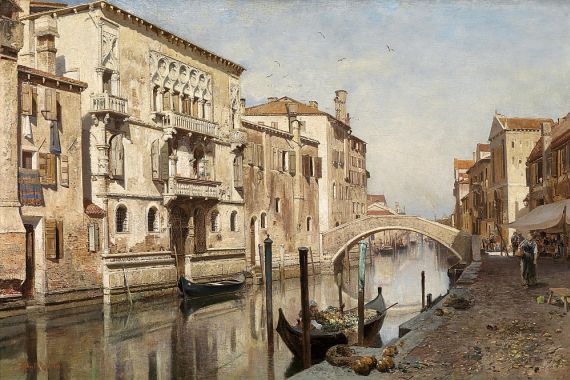
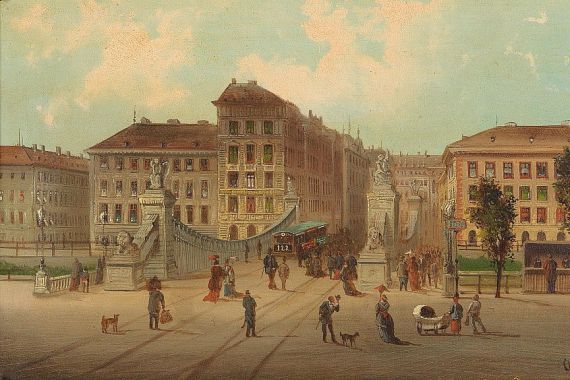
But there is much more to Austria's art history than the famous names of Viennese Modernism. As early as the 19th century, painters such as Ferdinand Georg Waldmüller and Rudolf von Alt were looking for new ways to capture the light and atmosphere of Alpine landscapes. Their watercolours and gouaches are of an almost photographic precision, and yet they resonate with a quiet poetry that elevates the everyday to the sublime. Later, in the 20th century, Vienna became the scene of radical experiments: The Viennese Actionists, for example, led by Günter Brus, pushed the boundaries of the representable with their drawings and prints and questioned the role of the artist in a changing society.
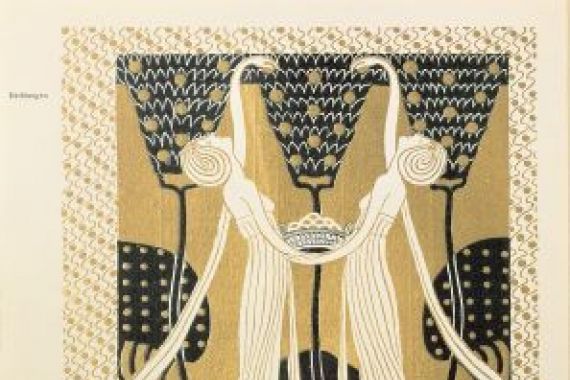
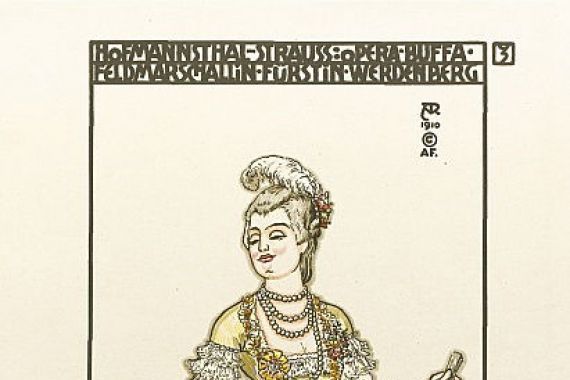
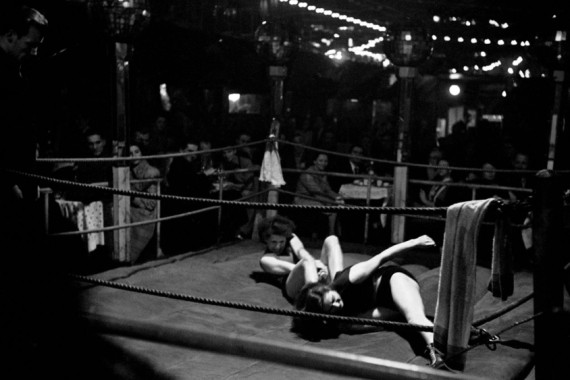
Photography found enthusiastic supporters in Austria early on. The legendary Wiener Werkstätte, a centre for applied arts, was already experimenting with photograms and collages around 1900. Later, photographers such as Trude Fleischmann shaped the image of the modern woman, while Inge Morath travelled the world with her camera, always retaining a touch of Austrian melancholy in her pictures. Less well known, but all the more fascinating: in the 1970s, one of Europe's first photo galleries was established in Graz, which is still regarded as a nucleus for innovative photographic art today.
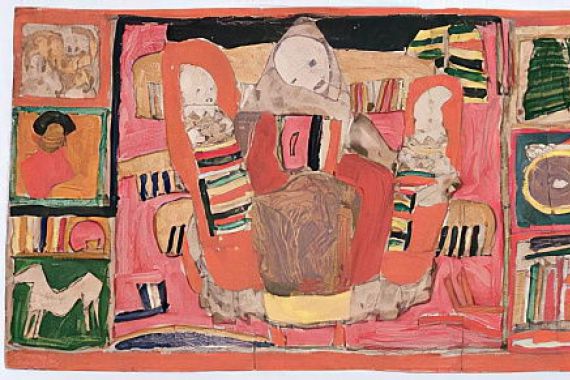
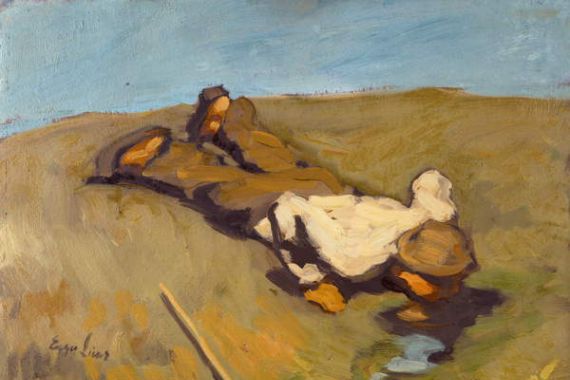
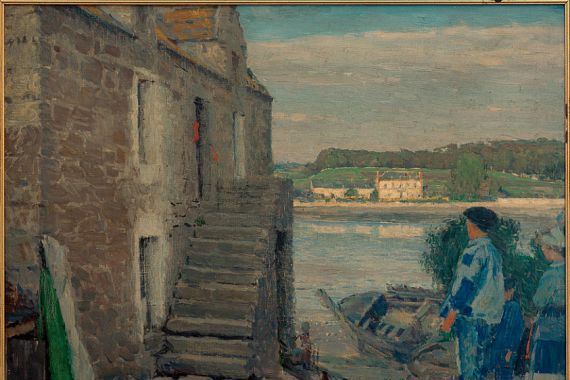
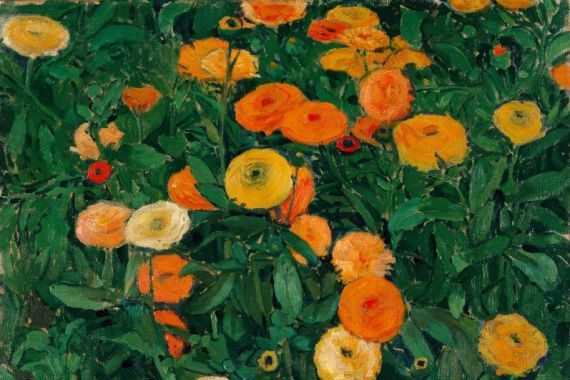
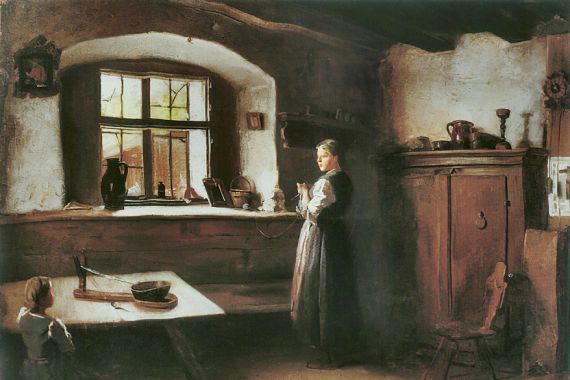
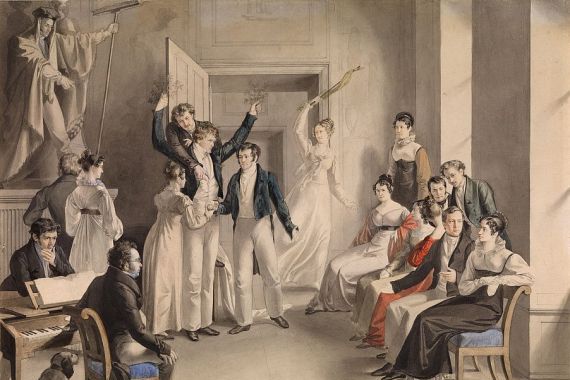
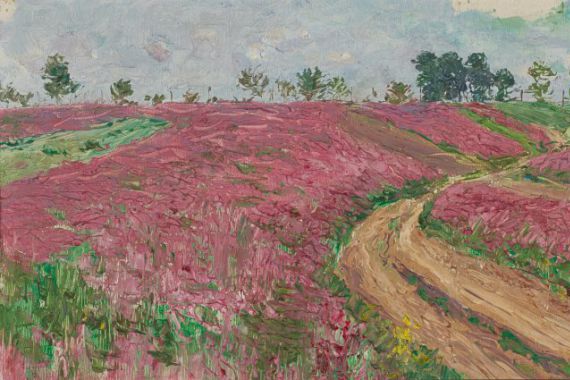
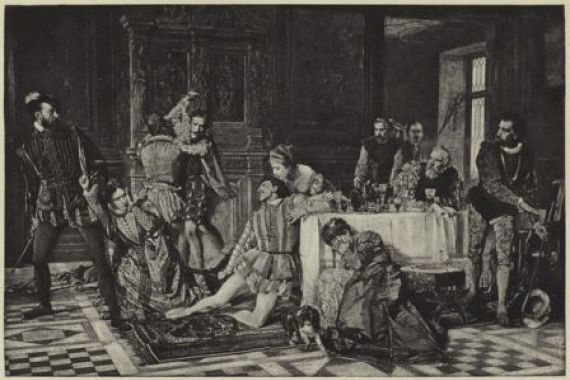
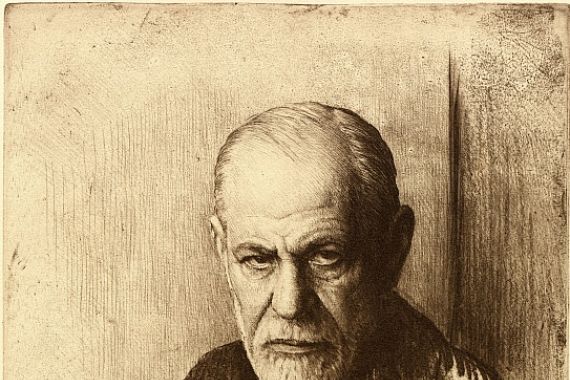
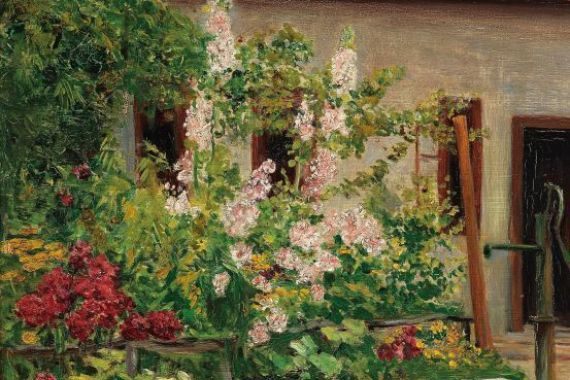
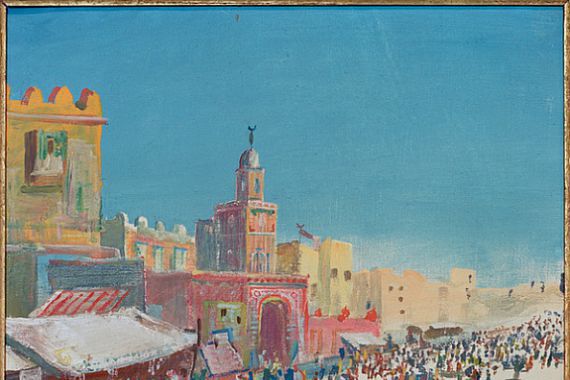
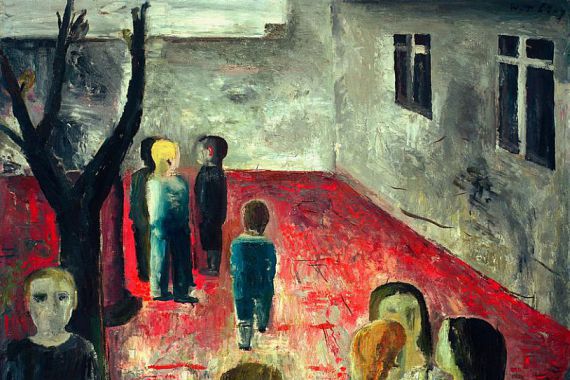
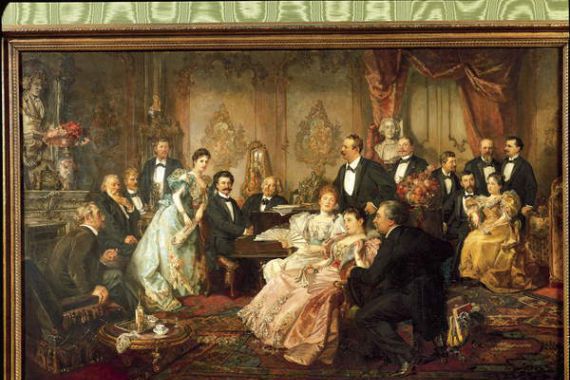
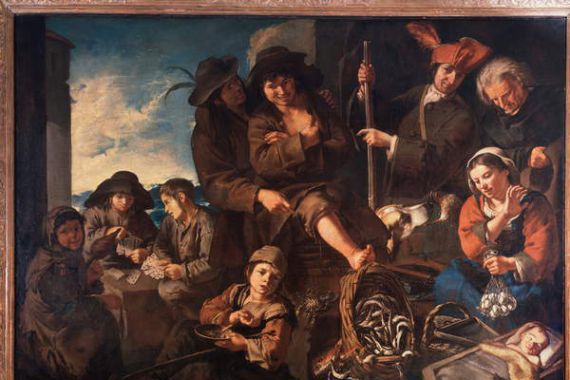
Austrian art is a kaleidoscope of colours, shapes and emotions - sometimes delicate and quiet, sometimes stirring and provocative. It tells of the search for identity in the midst of upheaval, of the love of nature and music, of the desire for ornamentation and the power of reduction. Anyone who engages with this art not only senses the history of a country, but also the insatiable desire of its artists to make the invisible visible. The Austrian attitude to life lives on in every brushstroke, in every line, in every reflection of light - a feeling that can be rediscovered time and again in art prints, reproductions and photographs.
A soft mist lies over the rolling hills of the Wachau, while the light of the morning sun bathes the Danube in liquid gold - an image that permeates not only the landscape, but also the soul of Austrian art. In Austria, art is always a mirror of contrasts: Alpine clarity and baroque opulence, imperial splendour and bourgeois intimacy, melancholy and joie de vivre meet here. The artists of this country have always been inspired by nature, music and social change - and have created works that radiate far beyond its borders.
When you think of Austrian painting, you immediately sense the vibrant tension between tradition and new beginnings. Gustav Klimt, for example, whose "The Kiss" is now considered the epitome of Art Nouveau, was inspired by Byzantine mosaics as well as the sensuality of the Viennese salons. His shimmering golden oil paintings are not only decorative, but also tell of longing, eroticism and the pursuit of the absolute. Egon Schiele, Klimt's young contemporary, ventured even further: With nervous lines and expressive colours, he bared human existence as if he wanted to turn the innermost outwards. To this day, his watercolours and drawings have the effect of an electric shock - raw, vulnerable, uncompromising.
But there is much more to Austria's art history than the famous names of Viennese Modernism. As early as the 19th century, painters such as Ferdinand Georg Waldmüller and Rudolf von Alt were looking for new ways to capture the light and atmosphere of Alpine landscapes. Their watercolours and gouaches are of an almost photographic precision, and yet they resonate with a quiet poetry that elevates the everyday to the sublime. Later, in the 20th century, Vienna became the scene of radical experiments: The Viennese Actionists, for example, led by Günter Brus, pushed the boundaries of the representable with their drawings and prints and questioned the role of the artist in a changing society.
Photography found enthusiastic supporters in Austria early on. The legendary Wiener Werkstätte, a centre for applied arts, was already experimenting with photograms and collages around 1900. Later, photographers such as Trude Fleischmann shaped the image of the modern woman, while Inge Morath travelled the world with her camera, always retaining a touch of Austrian melancholy in her pictures. Less well known, but all the more fascinating: in the 1970s, one of Europe's first photo galleries was established in Graz, which is still regarded as a nucleus for innovative photographic art today.
Austrian art is a kaleidoscope of colours, shapes and emotions - sometimes delicate and quiet, sometimes stirring and provocative. It tells of the search for identity in the midst of upheaval, of the love of nature and music, of the desire for ornamentation and the power of reduction. Anyone who engages with this art not only senses the history of a country, but also the insatiable desire of its artists to make the invisible visible. The Austrian attitude to life lives on in every brushstroke, in every line, in every reflection of light - a feeling that can be rediscovered time and again in art prints, reproductions and photographs.
 ×
× 






 Passionate Customer Service










 +43 4257 29415
 support@meisterdrucke.com
 Mo-Do: 7:00 - 16:00 | Fr: 7:00 - 13:00