Even as a child and throughout his life, Gunter Langer has been fascinated by the depiction of people. Translating emotions into lines fascinated him. He began with portraits and later discovered that the human body can also develop emotions and expressiveness. Gunter Langer works intensively with people to find image compositions.rnrnHis aim is to construct the image from a few lines that are drawn only once, giving the lines expressiveness in the unique process of drawing. This is the complex process of abstracting reality and then transforming it into a single line.rnrnIn drawing, the aim is to use individual, free-standing lines that correspond with each other and possess harmony to create more expressiveness than a photograph can. The application of colour is intended to enhance this even further. For Gunter Langer, this is not simply imitating nature, nor is it solely the expressive transformation of nature into rough shapes and colours, but rather the creation of an additional abstraction of emotions, the implementation of which profoundly increases the expressiveness. Tiny bends in contours, lines and brushstrokes create this emotional effect.
 ×
×






 Passionate Customer Service

.jpg "Seated Nude, Fairy Tale Book by Gunter Langer")
.jpg)
.jpg "Female Nude, Starry Hour by Gunter Langer")
.jpg)
.jpg "Reclining Nude, In Blue Dress by Gunter Langer")
.jpg)
.jpg "Standing Nude, Adam and Eve by Gunter Langer")
.jpg)
.jpg "Female Nude, Symbol by Gunter Langer")
.jpg)
.jpg "Reclining Nude, The Whisper of Water by Gunter Langer")
.jpg)
.jpg "Portrait of a Girl, Satisfying Longing by Gunter Langer")
.jpg)
.jpg "Female Nude, Intoxication by Gunter Langer")
.jpg)
.jpg "Reclining Nude, Roman Woman by Gunter Langer")
.jpg)
.jpg "Female Nude, Free Spirits by Gunter Langer")
.jpg)
.jpg "Female Nude, Women 2020 by Gunter Langer")
.jpg)
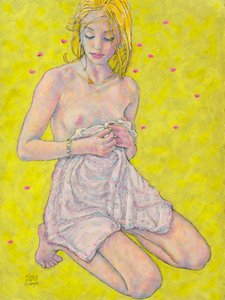
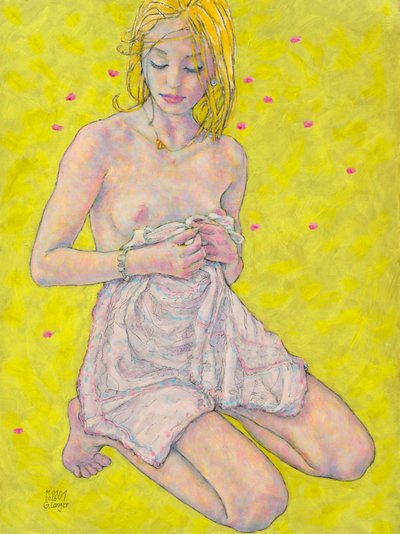
.jpg "Female Nude, Far from the World by Gunter Langer")
.jpg)
.jpg "Female Nude, I Am Already Here by Gunter Langer")
.jpg)


.jpg "Female Nude, Venus by Gunter Langer")
.jpg)
.jpg "Seated Nude, Cool Night by Gunter Langer")
.jpg)


.jpg "Female Nude, Evolution by Gunter Langer")
.jpg)


.jpg "Female Nude, In the Shadow of Your Wings by Gunter Langer")
.jpg)
.jpg "Reclining Nude, Beautiful Time by Gunter Langer")
.jpg)


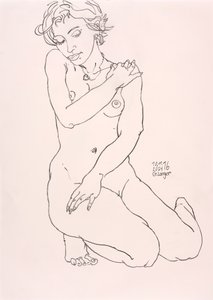
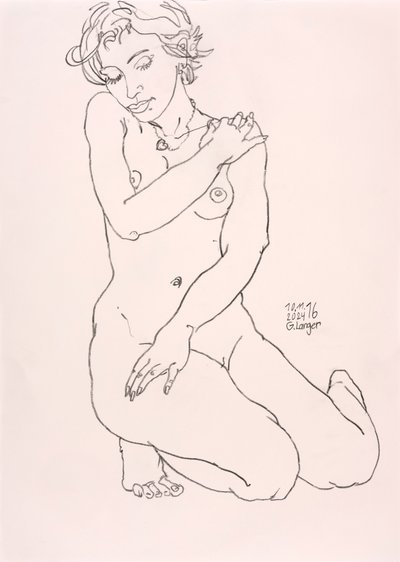
.jpg "Reclining Nude, The Whisper by Gunter Langer")
.jpg)
.jpg "Female Nude, Light and Brightness by Gunter Langer")
.jpg)
.jpg "Reclining Nude, In the Universe of Senses by Gunter Langer")
.jpg)
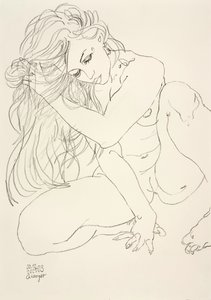
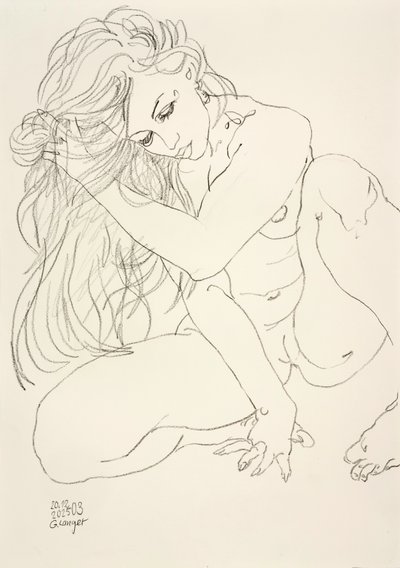
.jpg "Female Nude, Event by Gunter Langer")
.jpg)
.jpg "Female Nude, Sending Signals by Gunter Langer")
.jpg)
.jpg "Seated Nude, Romance by Gunter Langer")
.jpg)
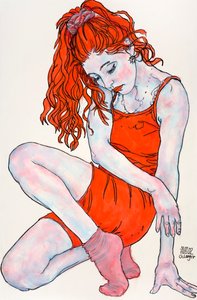
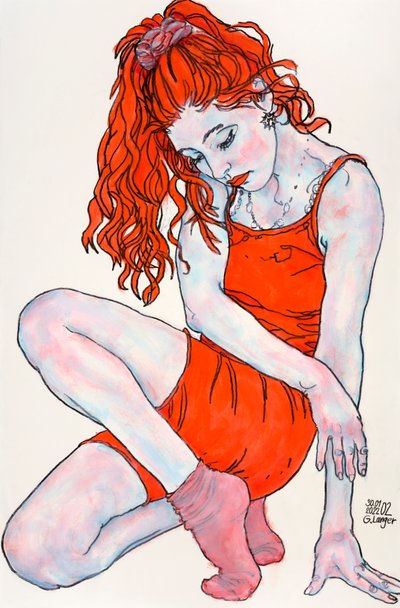
.jpg "Female Nude, Longing by Gunter Langer")
.jpg)
.jpg "Girl Nude by Gunter Langer")
.jpg)
.jpg "Seated Nude, I Am Here for You by Gunter Langer")
.jpg)
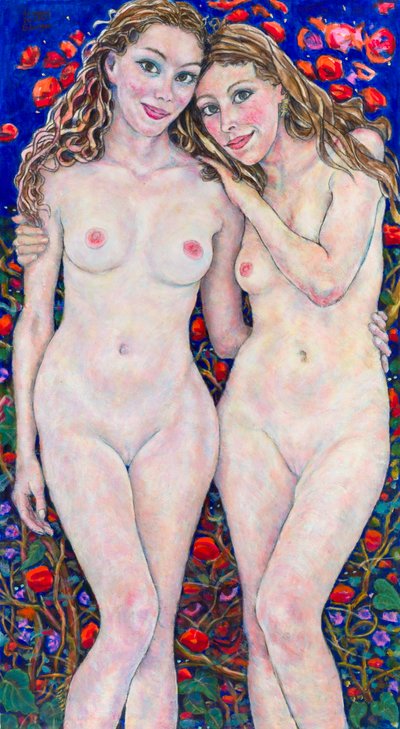
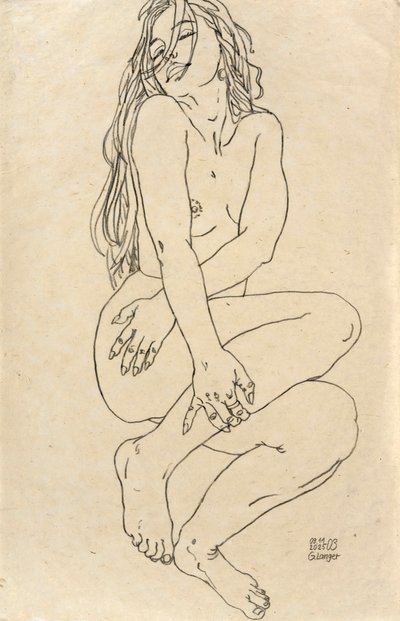
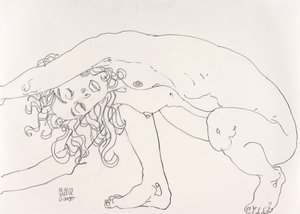
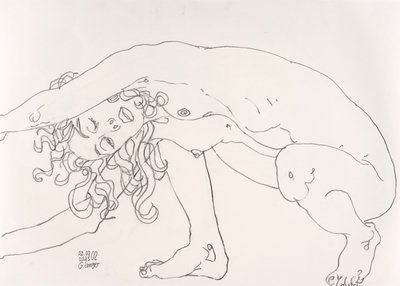
.jpg "Female Nude, Reading Thoughts by Gunter Langer")
.jpg)
.jpg "Female Nude, Receiving Symbols by Gunter Langer")
.jpg)
.jpg "Dawn by Gunter Langer")
.jpg)
.jpg "Female Nude, Feelings by Gunter Langer")
.jpg)
.jpg "Female Nude, We Follow You by Gunter Langer")
.jpg)
.jpg "Female Nude, At Eye Level by Gunter Langer")
.jpg)
.jpg "Seated Nude, Near and Far by Gunter Langer")
.jpg)
.jpg "Seated Nude, Dream Vision by Gunter Langer")
.jpg)


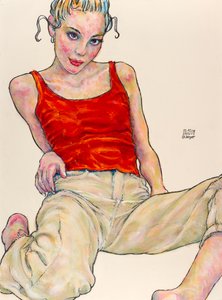
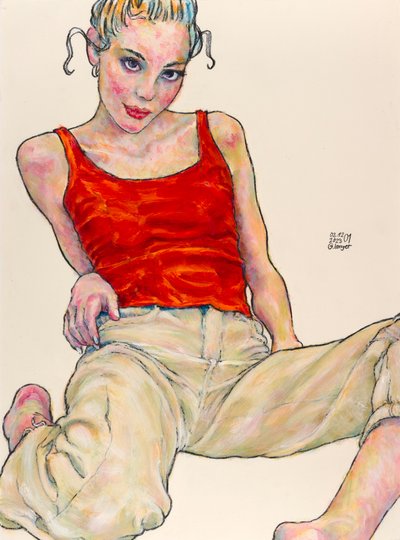
.jpg "Female Nude, Abysses by Gunter Langer")
.jpg)
.jpg "Female Nude, Silent Secret by Gunter Langer")
.jpg)
.jpg "Female Nude, Shy by Gunter Langer")
.jpg)
.jpg "Portrait, Colors of Life by Gunter Langer")
.jpg)
.jpg "Kneeling Nude, Lifelines by Gunter Langer")
.jpg)
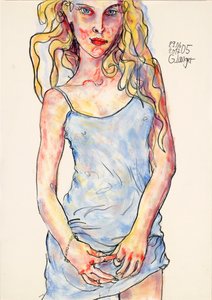
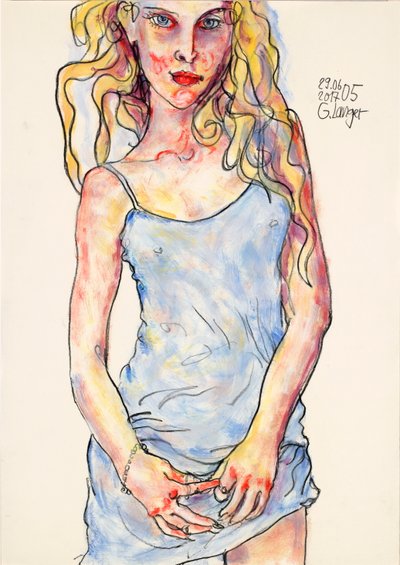
.jpg "Words by Gunter Langer")
.jpg)
.jpg "Female Nude, At the Edge of Time by Gunter Langer")
.jpg)
.jpg "Female Nude, Temptation by Gunter Langer")
.jpg)
.jpg "Morning Dew by Gunter Langer")
.jpg)
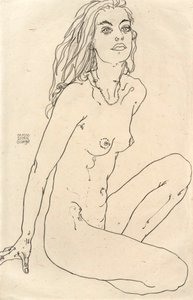
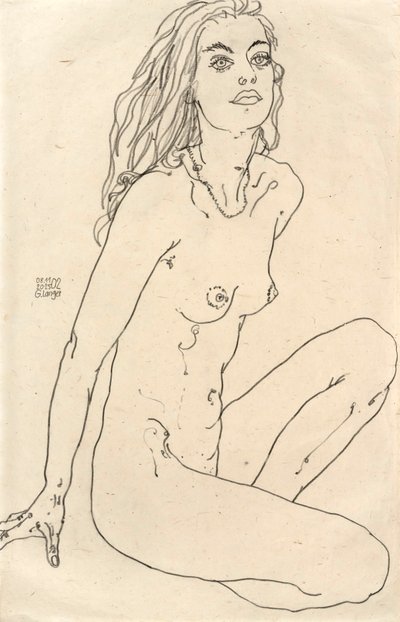
.jpg "Female Nude, Friends by Gunter Langer")
.jpg)
.jpg "Seated Nude, Time Travel by Gunter Langer")
.jpg)
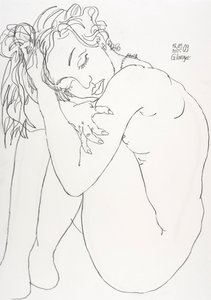
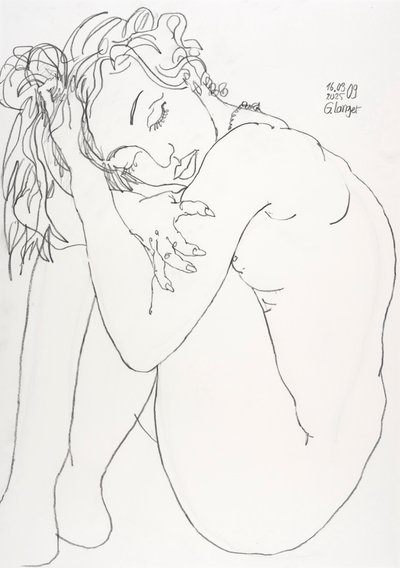
.jpg "Portrait of a Woman, A Moment by Gunter Langer")
.jpg)
.jpg "Female Nude, Insights by Gunter Langer")
.jpg)
.jpg "Seated Nude, Backlight by Gunter Langer")
.jpg)
.jpg "Over the Rainbow by Gunter Langer")
.jpg)
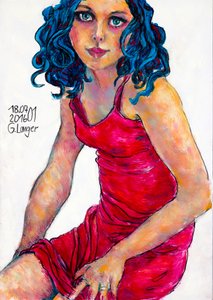
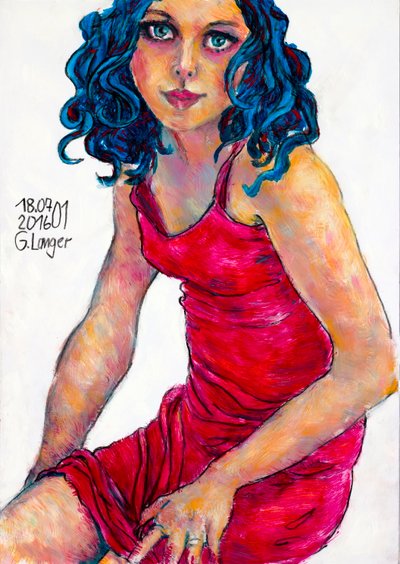
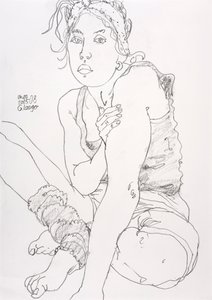
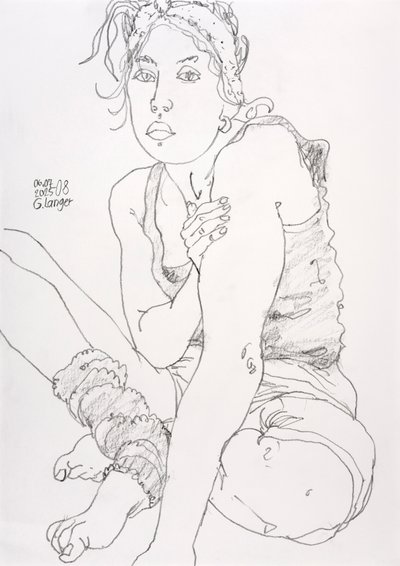
.jpg "Reclining Nude, Soft Melody by Gunter Langer")
.jpg)
.jpg "Female Nude, Flying Thoughts by Gunter Langer")
.jpg)
.jpg "Quiet Dream by Gunter Langer")
.jpg)
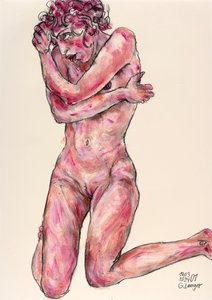
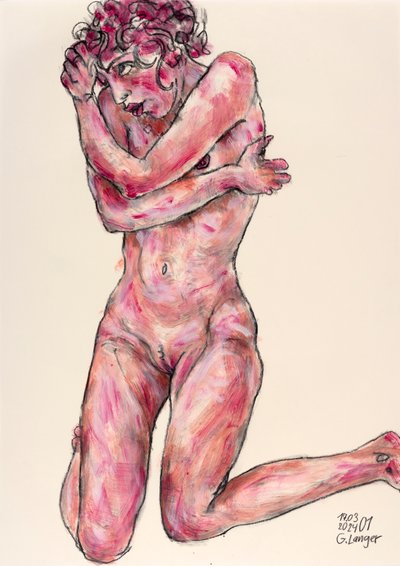
.jpg "Summer Evening by Gunter Langer")
.jpg)
.jpg "Female Nude, Tempting Encounter by Gunter Langer")
.jpg)
.jpg "Female Nude, Children of the Sun by Gunter Langer")
.jpg)
.jpg "Reclining Nude, Symphony by Gunter Langer")
.jpg)
.jpg "Kneeling Nude, Unique Encounter by Gunter Langer")
.jpg)
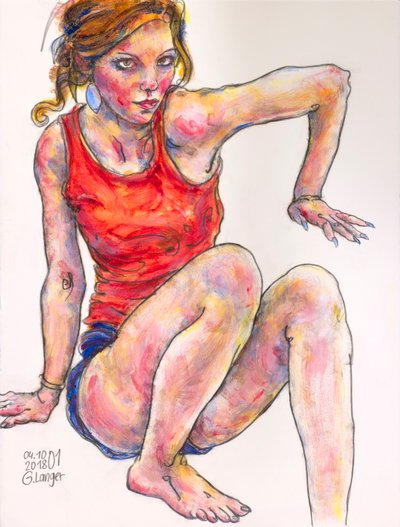
.jpg "Seated Nude, Under the Rainbow by Gunter Langer")
.jpg)
.jpg "Portrait of a Woman, Sending Symbols by Gunter Langer")
.jpg)
.jpg "Female Nude, Looking Up to You by Gunter Langer")
.jpg)
.jpg "Portrait of a Woman, Spring Awakening by Gunter Langer")
.jpg)
.jpg "Strange Star by Gunter Langer")
.jpg)
.jpg "Portrait of a Woman, Found by Gunter Langer")
.jpg)
.jpg "Thoughts of You by Gunter Langer")
.jpg)
.jpg "Reclining Nude, Expectation by Gunter Langer")
.jpg)
.jpg "Female Nude, Vast Sea by Gunter Langer")
.jpg)
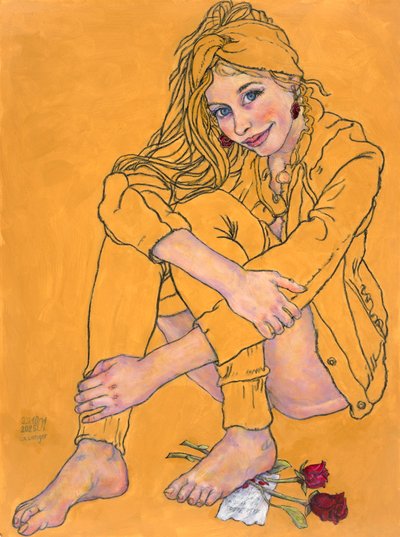
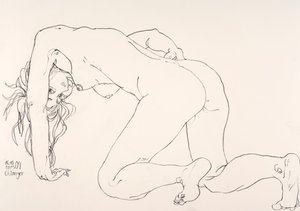
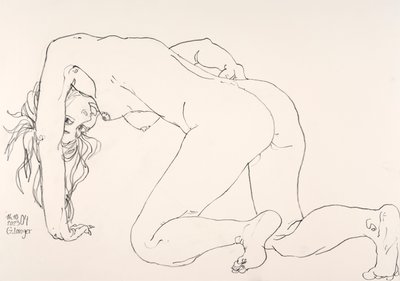
.jpg "Portrait of a Woman, I Was Home by Gunter Langer")
.jpg)
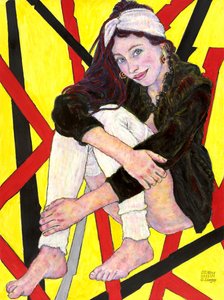
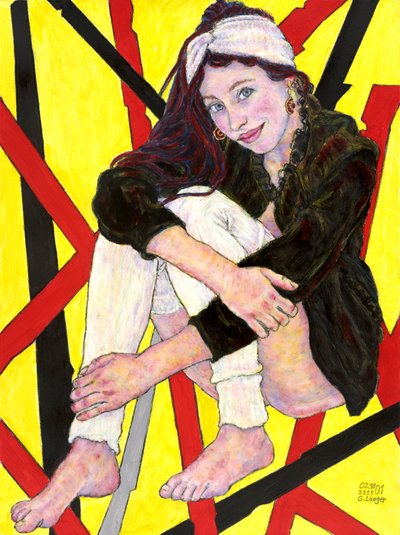
.jpg "Female Nude, Wonderful Time by Gunter Langer")
.jpg)
.jpg "Female Nude, Before the Storm by Gunter Langer")
.jpg)
.jpg "Portrait of a Woman, Destiny by Gunter Langer")
.jpg)
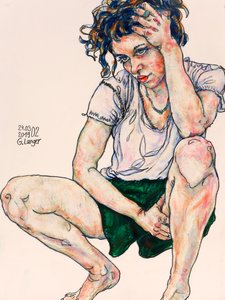
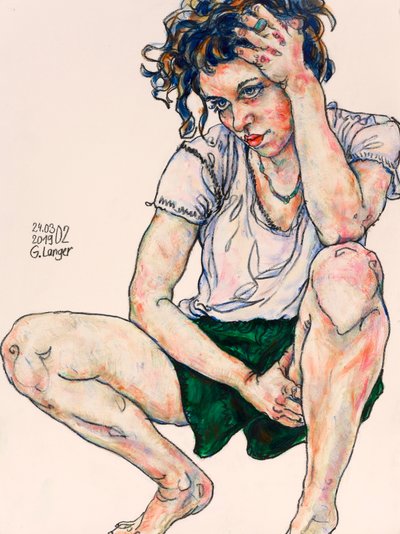
.jpg "Kneeling Nude, Lovely Being by Gunter Langer")
.jpg)
.jpg "Lovers by Gunter Langer")
.jpg)
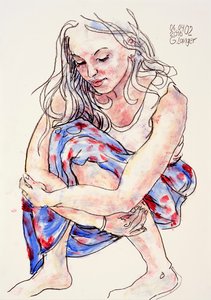
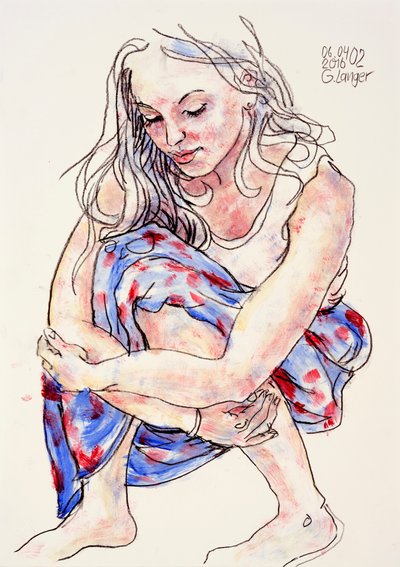
.jpg "Opportunity by Gunter Langer")
.jpg)
.jpg "View by Gunter Langer")
.jpg)

 +43 4257 29415
 support@meisterdrucke.com
 Mo-Do: 7:00 - 16:00 | Fr: 7:00 - 13:00