support@meisterdrucke.com  ·  0043 4257 29415

Deutsch English Italiano Español Français Nederlands Português Svenska Polski Dansk
Search by artist, work title or style – e.g. Monet, Starry Night, Impressionism, Hokusai wave, nude. Describe the scene – e.g. green meadow, abstract with lots of red, dark oil painting, standing nude next to a tree.

Pre Raphaelites: Passion for Detail and Connection with Nature

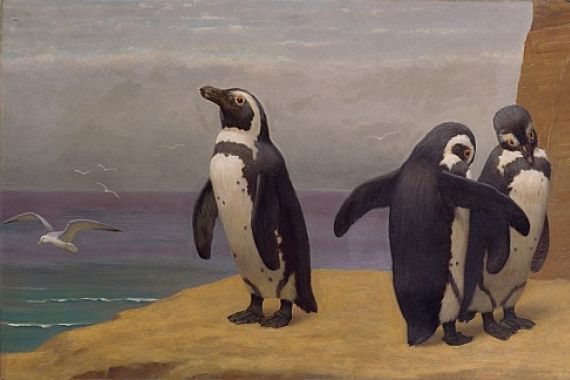
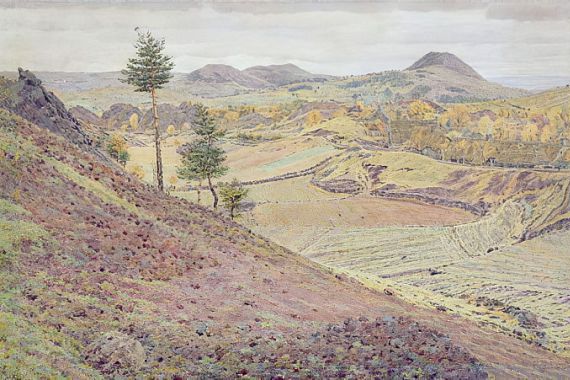
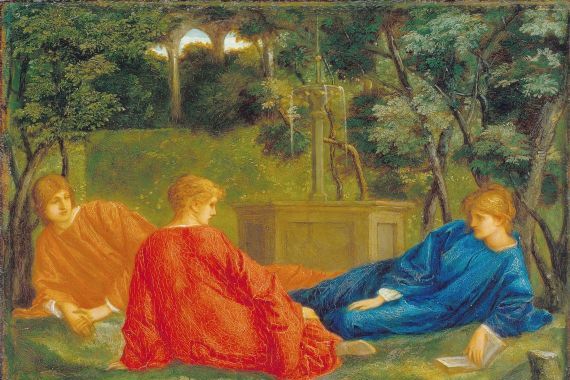
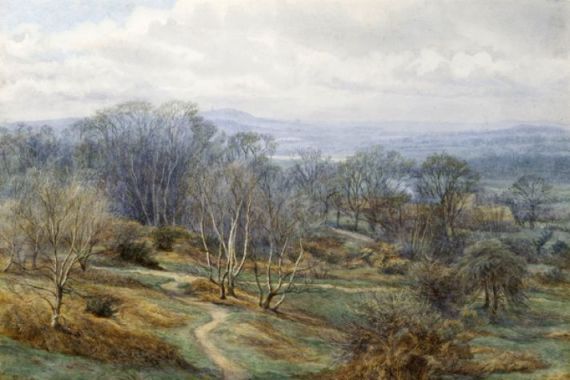
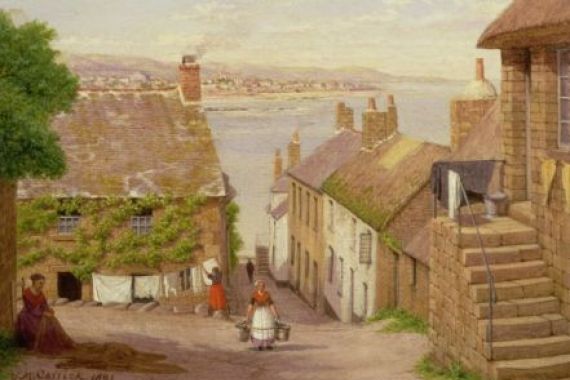
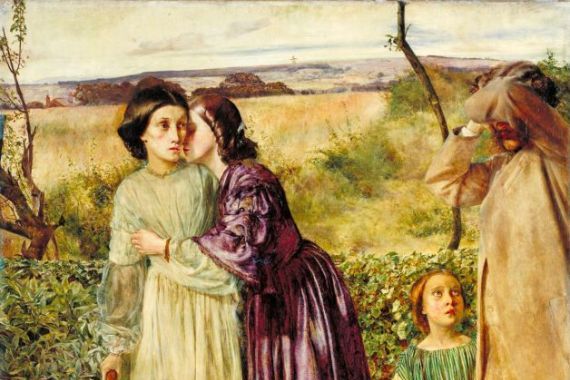
The Pre-Raphaelites aspired to an art characterized by intensity, attention to detail, and a special closeness to nature.


Discover Pre Raphaelites now!

Österreichische Kunstmanufaktur Erfahrungen & Bewertungen zu Meisterdrucke auf ProvenExpert.com

Pre Raphaelites: Passion for Detail and Connection with Nature

The Pre-Raphaelites aspired to an art characterized by intensity, attention to detail, and a special closeness to nature.

Discover Pre Raphaelites now!
Pre Raphaelites
Passionate Customer Service
Museum Quality Art Prints
Individual Customization Options
Österreichische Kunstmanufaktur Passionate Customer Service
Museum Quality Art Prints
Individual Customization Options


Pre Raphaelites

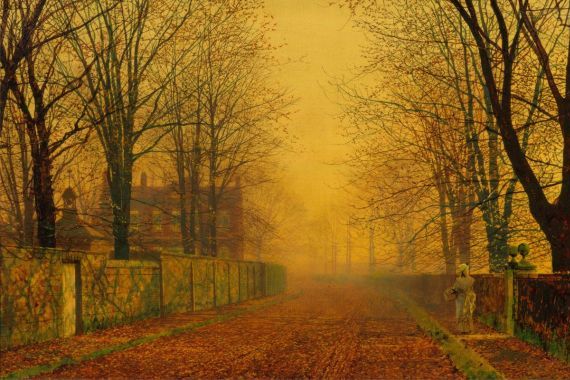
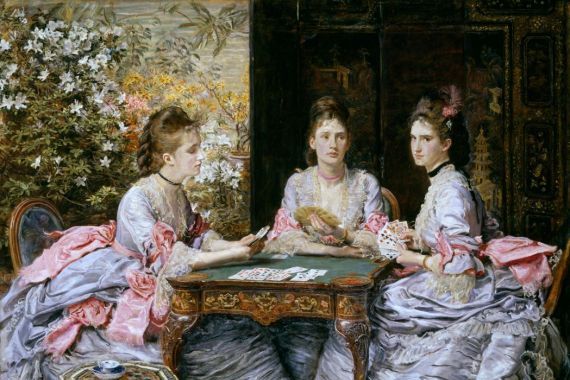
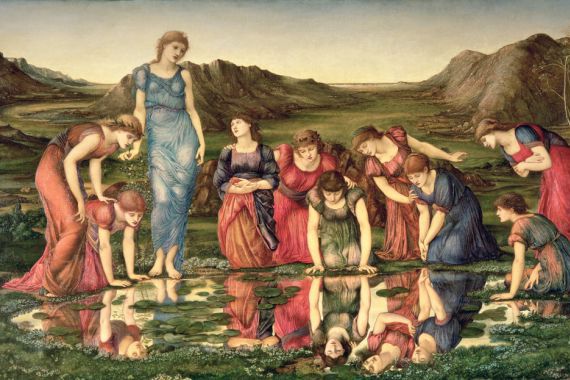
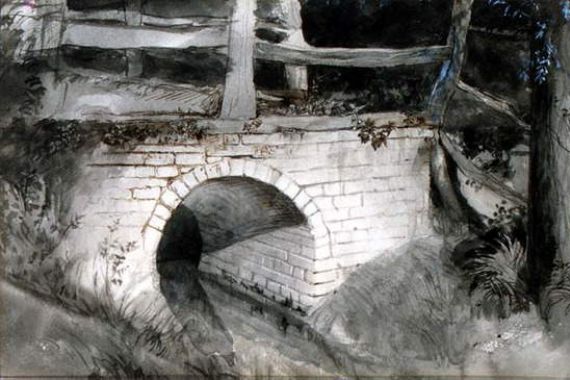
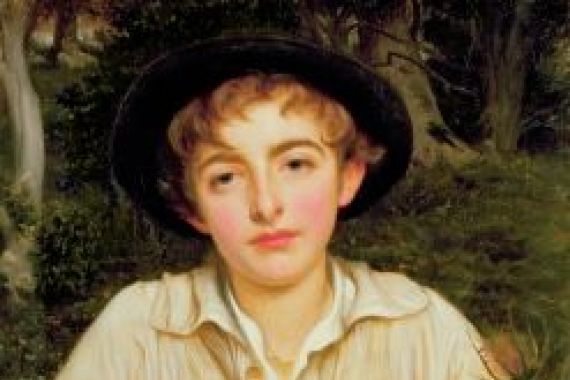
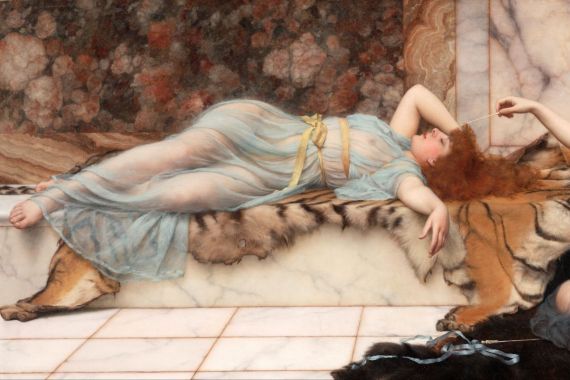
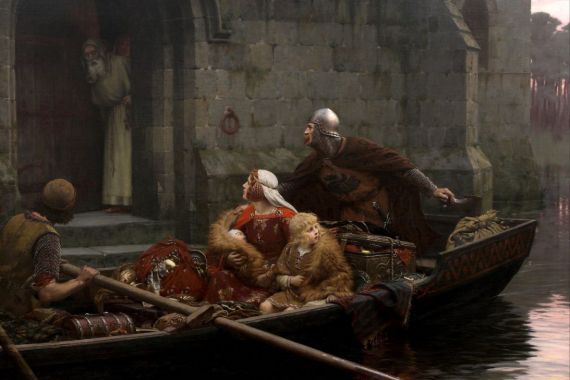
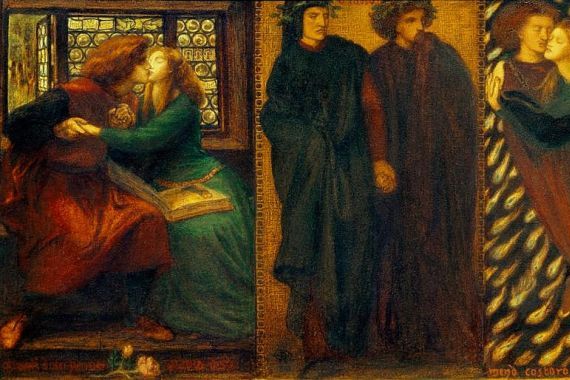
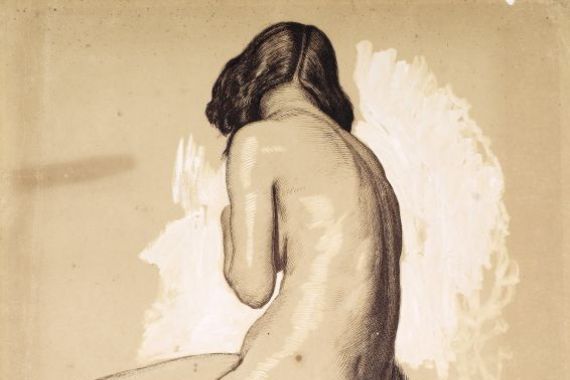
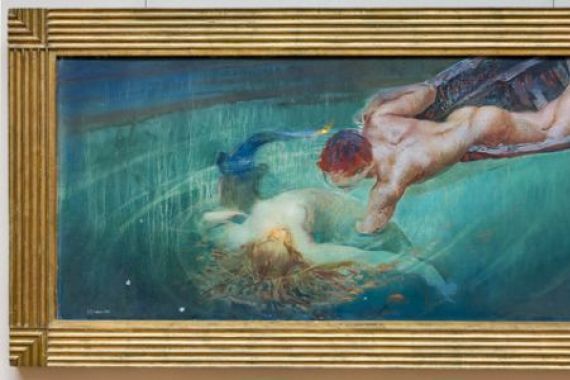
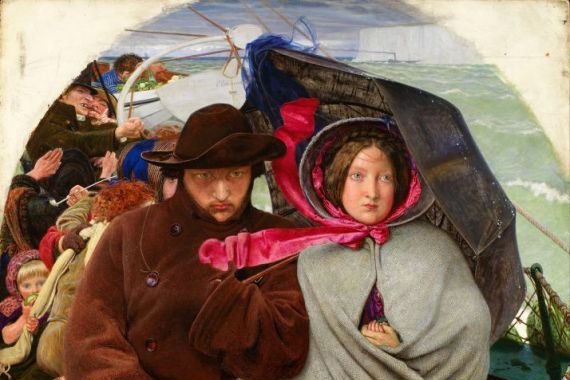
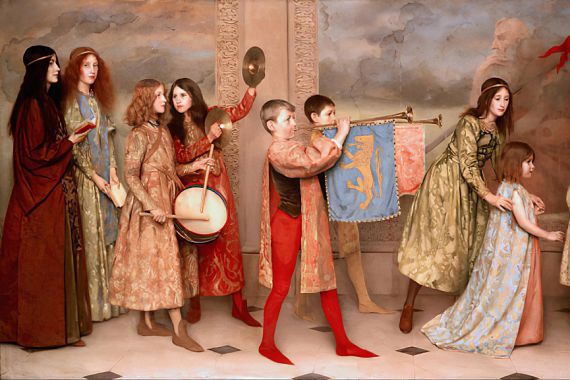
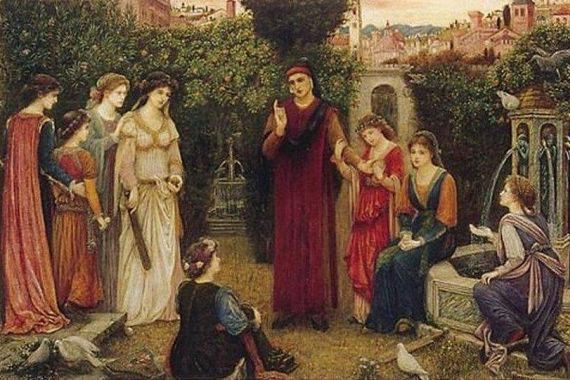
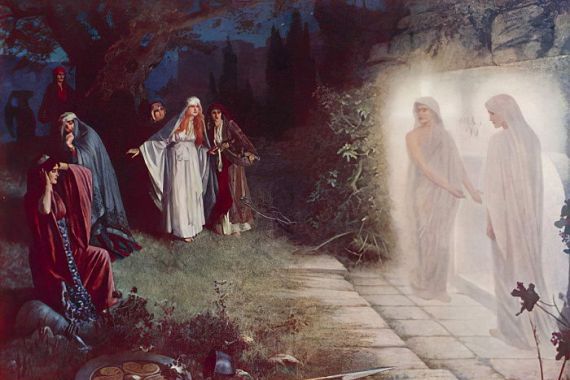
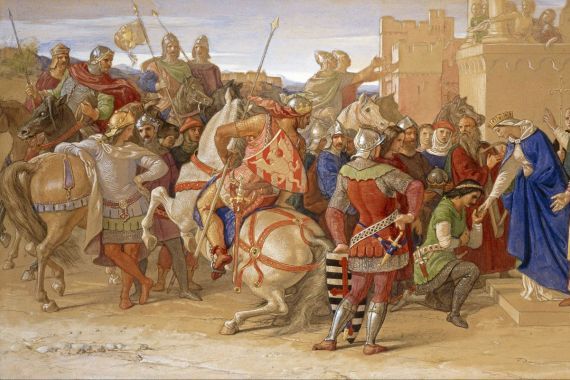
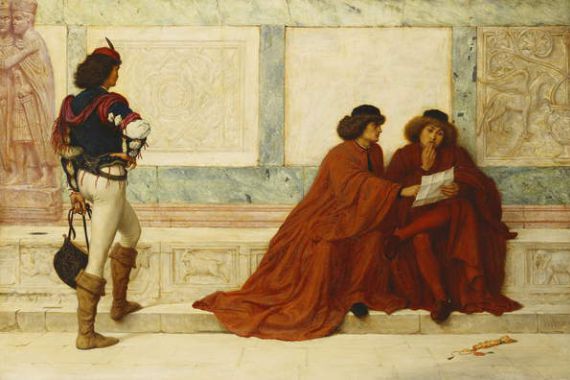
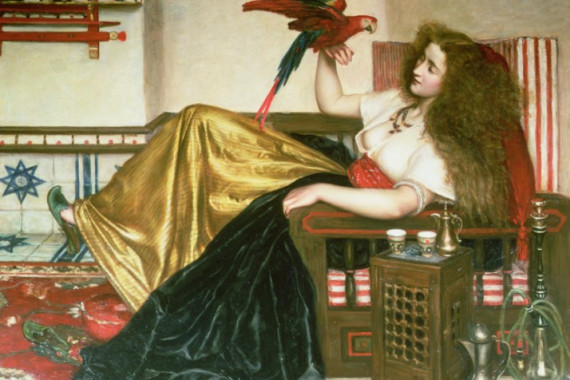
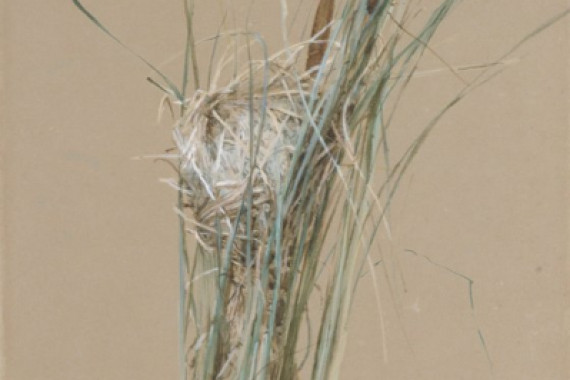
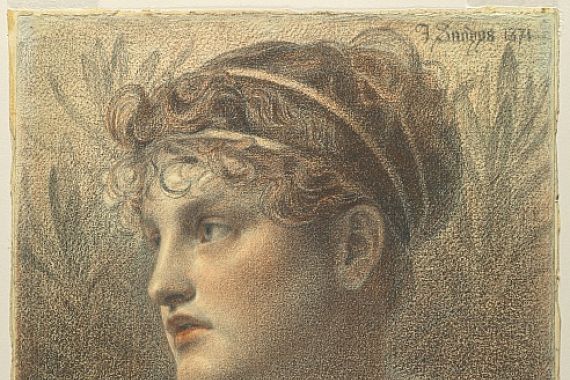
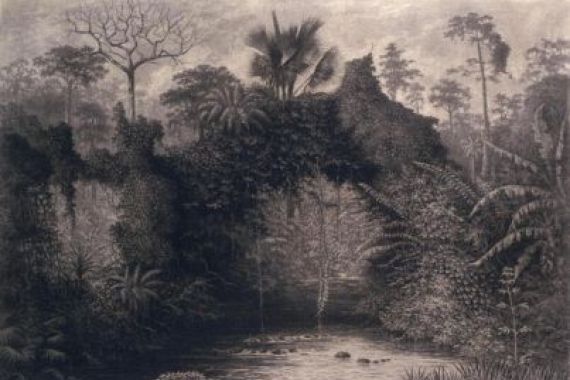
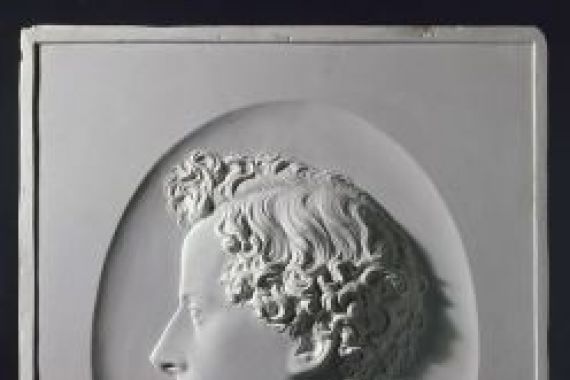
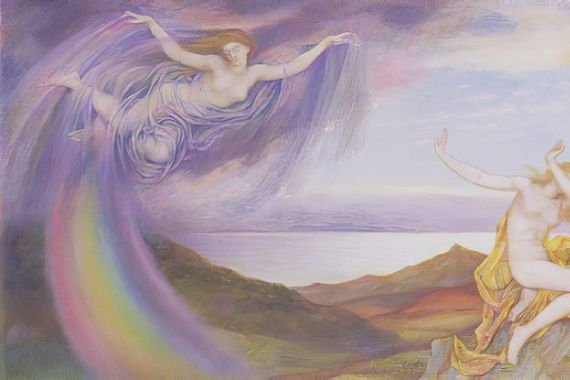
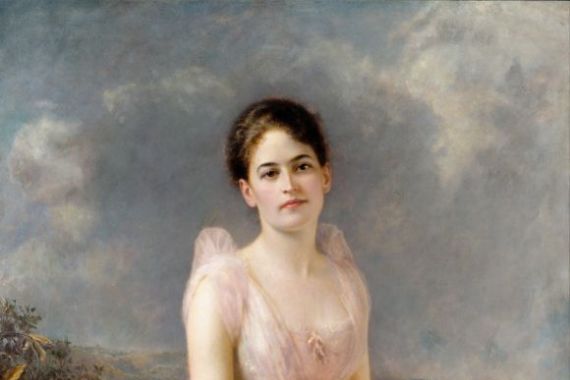
The Pre-Raphaelites refer to an English art movement of the 19th century. It originated with the founding of the Pre-Raphaelite Brotherhood, PRB, by the artist friends William Holman Hunt, John Everett Millais and Dante Gabriel Rosetti. The name outlines their chosen program - the model was Italian Renaissance art before the time of the painter and architect Raphael (1483-1520). The reason was their conviction that artistic naivety had been lost and that the omnipresent mannerism offered no possibilities for development. Later, artists such as Collinson, Deverell, William Michael Rosetti, Solomon, Stephens and Woolner were added to the group. At times the community published the journal The Germ, later Art and Poetry. The PRB was dissolved in 1853, some of the artists later found themselves in the Hogarth Club. One focus was on the most accurate depiction of nature. What the Academy of Art taught was to be overcome, art was to be liberated. Here there was a parallel to the German Nazarenes who had come together around Overbeck. One source of motif was literature, especially works by Blake, Shakespeare, and the late Romantic Tennyson. In their nostalgic longing, the Pre-Raphaelites sought a landscape still unspoiled by industrialization and stability in the pure and unadulterated. The Academy of Art took exception to the Pre-Raphaelites' painting style and excluded them from its exhibition halls. Critics scorned their work, while other artists sympathized. It was not until Ruskin's essay in The Times in 1851 that the painting style became suitable for the salon - the parallels to the esteemed William Turner as well as the painterly new approaches were now acclaimed. These included clear, luminous colors, bright light, the most precise, respectful study of nature, and the depiction of even the smallest details. The content was about the mystical in the life of the soul, the preference of true passion over beauty or elegance. This approach clearly influenced English art; influences are visible, for example, in Burne-Jones, de Morgan, Morris or Stanhope.

Pre Raphaelites

The Pre-Raphaelites refer to an English art movement of the 19th century. It originated with the founding of the Pre-Raphaelite Brotherhood, PRB, by the artist friends William Holman Hunt, John Everett Millais and Dante Gabriel Rosetti. The name outlines their chosen program - the model was Italian Renaissance art before the time of the painter and architect Raphael (1483-1520). The reason was their conviction that artistic naivety had been lost and that the omnipresent mannerism offered no possibilities for development. Later, artists such as Collinson, Deverell, William Michael Rosetti, Solomon, Stephens and Woolner were added to the group. At times the community published the journal The Germ, later Art and Poetry. The PRB was dissolved in 1853, some of the artists later found themselves in the Hogarth Club. One focus was on the most accurate depiction of nature. What the Academy of Art taught was to be overcome, art was to be liberated. Here there was a parallel to the German Nazarenes who had come together around Overbeck. One source of motif was literature, especially works by Blake, Shakespeare, and the late Romantic Tennyson. In their nostalgic longing, the Pre-Raphaelites sought a landscape still unspoiled by industrialization and stability in the pure and unadulterated. The Academy of Art took exception to the Pre-Raphaelites' painting style and excluded them from its exhibition halls. Critics scorned their work, while other artists sympathized. It was not until Ruskin's essay in The Times in 1851 that the painting style became suitable for the salon - the parallels to the esteemed William Turner as well as the painterly new approaches were now acclaimed. These included clear, luminous colors, bright light, the most precise, respectful study of nature, and the depiction of even the smallest details. The content was about the mystical in the life of the soul, the preference of true passion over beauty or elegance. This approach clearly influenced English art; influences are visible, for example, in Burne-Jones, de Morgan, Morris or Stanhope.


What our customers think about us


Frequently Asked Questions about Meisterdrucke


Personalizing your art print at Meisterdrucke is simple and intuitive: Choose a frame, set the image size, pick a printing medium, and add suitable glazing or a stretcher frame. We also offer additional customization options like mats, fillets, and spacers. If you have any questions, our customer service team is ready to help you create your perfect artwork.
At Meisterdrucke, you can visualize your configured artwork directly in your own room. Simply upload a photo of your space and see how the artwork looks in it. If you're visiting us on a mobile device — phone or tablet — our augmented reality feature brings the picture to life and projects it right into your room. A unique experience that combines art and technology.

Choosing the right medium is often a matter of personal taste. To give you a better idea, we've provided some images for each medium. We also offer a sample set of all paper variants, so you can decide not just visually but by touch as well. You can order the sample set free of charge — only shipping costs apply.

Don't worry! At Meisterdrucke, we don't just process orders mechanically. Every order is manually reviewed by our team. If we spot any inconsistencies or issues with your configuration, we'll get in touch with you right away. And of course, our friendly and patient support team is always here to help you with your configuration. We'll work with you by phone or email to adjust your image so the final result is exactly what you had in mind.


Still have questions?

Are you interested in an art print from our manufactory but still unsure? Do you need advice on choosing the medium or help with the order?
Our experts are happy to assist you.

+43 4257 29415
support@meisterdrucke.com
Mo-Do: 7:00 - 16:00 | Fr: 7:00 - 13:00

Still have questions?

Are you interested in an art print from our manufactory but still unsure? Do you need advice on choosing the medium or help with the order?
Our experts are happy to assist you.

+43 4257 29415
support@meisterdrucke.com
Mo-Do: 7:00 - 16:00 | Fr: 7:00 - 13:00


Meisterdrucke

   Kärntner Strasse 46
        9586 Finkenstein am Faaker See
        Austria
        +43 4257 29415
        support@meisterdrucke.com
Other languages

                   
Erfahrungen & Bewertungen zu Meisterdrucke
Post.at DHL Express Quehenberger Cargoboard
Kaiser Franz Joseph

Meisterdrucke
Kärntner Strasse 46
9586 Finkenstein am Faaker See · Austria
+43 4257 29415 · office@meisterdrucke.com
Post.at DHL Express Quehenberger Cargoboard


(c) 2026 meisterdrucke.ie