support@meisterdrucke.com  ·  0043 4257 29415

Deutsch English Italiano Español Français Nederlands Português Svenska Polski Dansk
Search by artist, work title or style – e.g. Monet, Starry Night, Impressionism, Hokusai wave, nude. Describe the scene – e.g. green meadow, abstract with lots of red, dark oil painting, standing nude next to a tree.
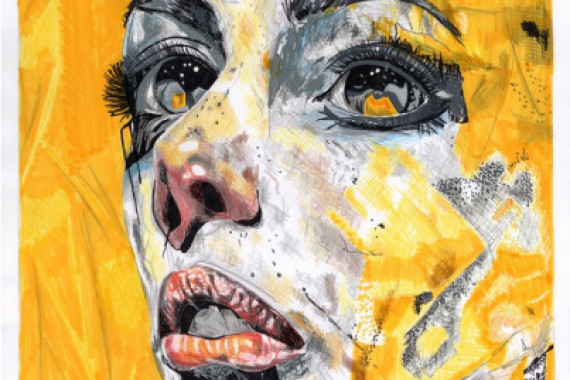
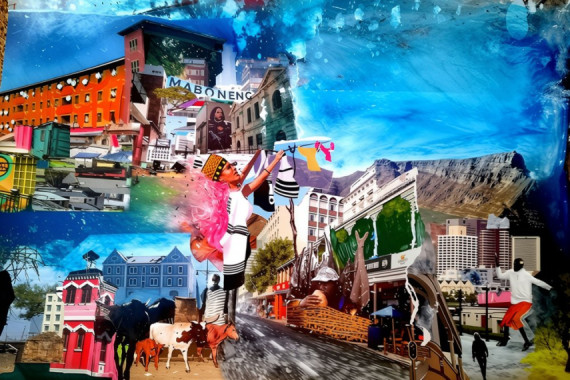
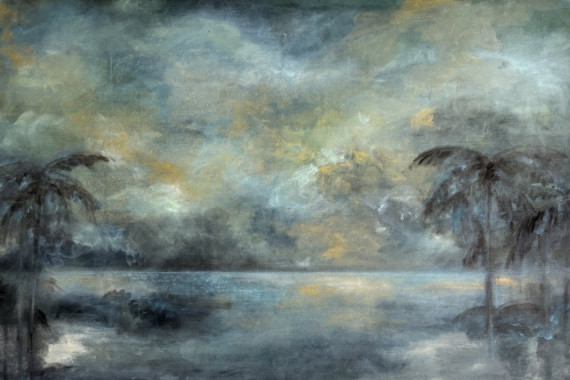
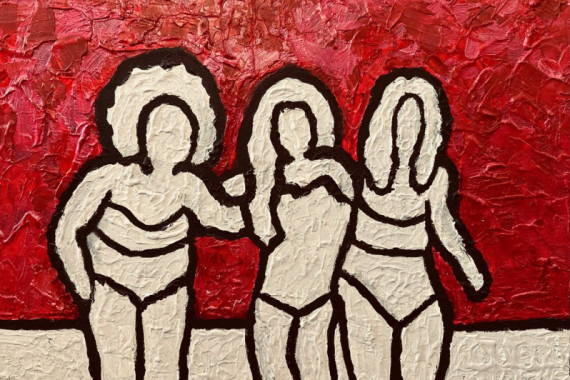
Discover 20 artists from South Africa

South African art glows like sunsets over savannahs—vivid, rhythmic, and rich in cultural depth.


Discover artists now!
Österreichische Kunstmanufaktur Erfahrungen & Bewertungen zu Meisterdrucke auf ProvenExpert.com

Discover 20 artists from South Africa

South African art glows like sunsets over savannahs—vivid, rhythmic, and rich in cultural depth.

Discover artists now!
Artists from Around the World – Country Overview
Passionate Customer Service
Museum Quality Art Prints
Individual Customization Options
Österreichische Kunstmanufaktur Passionate Customer Service
Museum Quality Art Prints
Individual Customization Options


A soft click, followed by the bright flash of a flashlight - this is how the story of one of South Africa's most famous photographs begins: Sam Nzima's shot of Hector Pieterson lying in the arms of a fellow student during the Soweto Uprising in 1976. This picture, taken in the midst of tear gas and protest, became a symbol of resistance to apartheid and shows how photography in South Africa is not only art, but also a weapon and a witness to history. But long before cameras captured reality, South African artists resorted to other means: Earth-coloured pigments, charcoal, ochre and later bold oil paints on canvas - materials that not only reflect the landscape, but also the country's social upheavals.


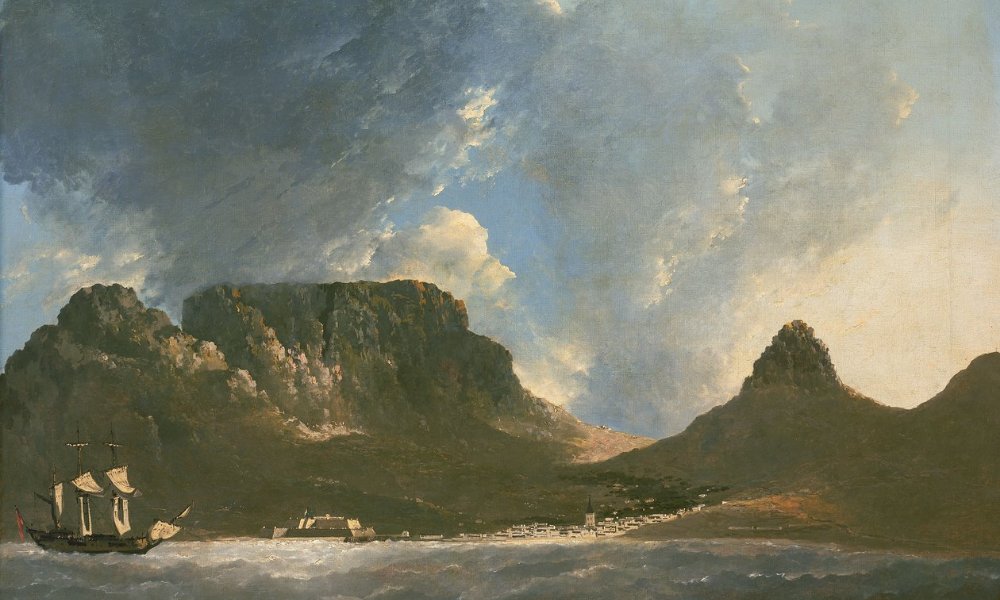
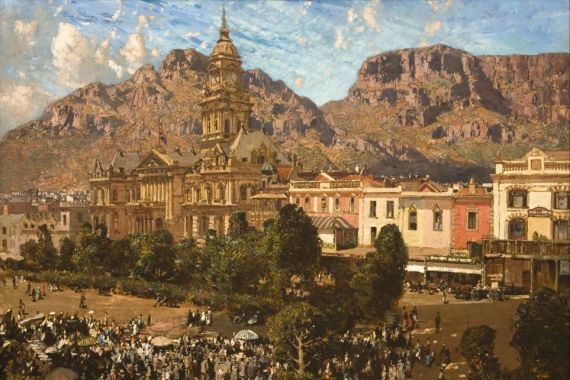
South African art history is a kaleidoscope of colours, forms and voices that are constantly reinventing themselves. In the early days, it was the San whose intricate rock paintings captured animals and hunting scenes with fine lines and delicate watercolours - a silent echo of nature that still resonates in modern art today. Later, when European influences came to the country, artists such as Irma Stern began to combine the bright colours and expressive brushstrokes of Expressionism with African motifs. Her oil paintings literally vibrate with life, as if she had captured the heat of the savannah and the hubbub of the markets directly on canvas. At the same time, artists such as Gerard Sekoto experimented with gouache and watercolour to capture the urban life of the townships - scenes full of melancholy and hope, in which light and shadow wrestle with each other.


It was not uncommon for art in South Africa to become a quiet rebellion. During apartheid, sketches, prints and collages were created in secret, which in their apparent simplicity unfolded a tremendous power. Artists such as Dumile Feni and William Kentridge used charcoal drawings and monotypes to visualise the turmoil and pain of their time. Kentridge, whose animated charcoal drawings are celebrated worldwide today, makes figures appear and disappear again and again, as if they were being erased and redrawn by history itself. In the present day, young artists are turning to digital techniques, mixing photography with painting, allowing traditional patterns to meet modern media - a creative echo that reverberates from Cape Town to Johannesburg.


South Africa's art is a mirror of society: it tells of wounds and miracles, of new beginnings and memories. Anyone who engages with these paintings, sketches and photographs will not only feel the colours and shapes, but also the pulse of a country that is constantly repainting its history. For art lovers and collectors, a world opens up here in which every work is a piece of lived experience - and every art print a window to a unique, polyphonic culture.

A soft click, followed by the bright flash of a flashlight - this is how the story of one of South Africa's most famous photographs begins: Sam Nzima's shot of Hector Pieterson lying in the arms of a fellow student during the Soweto Uprising in 1976. This picture, taken in the midst of tear gas and protest, became a symbol of resistance to apartheid and shows how photography in South Africa is not only art, but also a weapon and a witness to history. But long before cameras captured reality, South African artists resorted to other means: Earth-coloured pigments, charcoal, ochre and later bold oil paints on canvas - materials that not only reflect the landscape, but also the country's social upheavals.


South African art history is a kaleidoscope of colours, forms and voices that are constantly reinventing themselves. In the early days, it was the San whose intricate rock paintings captured animals and hunting scenes with fine lines and delicate watercolours - a silent echo of nature that still resonates in modern art today. Later, when European influences came to the country, artists such as Irma Stern began to combine the bright colours and expressive brushstrokes of Expressionism with African motifs. Her oil paintings literally vibrate with life, as if she had captured the heat of the savannah and the hubbub of the markets directly on canvas. At the same time, artists such as Gerard Sekoto experimented with gouache and watercolour to capture the urban life of the townships - scenes full of melancholy and hope, in which light and shadow wrestle with each other.


It was not uncommon for art in South Africa to become a quiet rebellion. During apartheid, sketches, prints and collages were created in secret, which in their apparent simplicity unfolded a tremendous power. Artists such as Dumile Feni and William Kentridge used charcoal drawings and monotypes to visualise the turmoil and pain of their time. Kentridge, whose animated charcoal drawings are celebrated worldwide today, makes figures appear and disappear again and again, as if they were being erased and redrawn by history itself. In the present day, young artists are turning to digital techniques, mixing photography with painting, allowing traditional patterns to meet modern media - a creative echo that reverberates from Cape Town to Johannesburg.


South Africa's art is a mirror of society: it tells of wounds and miracles, of new beginnings and memories. Anyone who engages with these paintings, sketches and photographs will not only feel the colours and shapes, but also the pulse of a country that is constantly repainting its history. For art lovers and collectors, a world opens up here in which every work is a piece of lived experience - and every art print a window to a unique, polyphonic culture.


What our customers think about us


Frequently Asked Questions about Meisterdrucke


Personalizing your art print at Meisterdrucke is simple and intuitive: Choose a frame, set the image size, pick a printing medium, and add suitable glazing or a stretcher frame. We also offer additional customization options like mats, fillets, and spacers. If you have any questions, our customer service team is ready to help you create your perfect artwork.

At Meisterdrucke, you can visualize your configured artwork directly in your own room. Simply upload a photo of your space and see how the artwork looks in it. If you're visiting us on a mobile device — phone or tablet — our augmented reality feature brings the picture to life and projects it right into your room. A unique experience that combines art and technology.

Choosing the right medium is often a matter of personal taste. To give you a better idea, we've provided some images for each medium. We also offer a sample set of all paper variants, so you can decide not just visually but by touch as well. You can order the sample set free of charge — only shipping costs apply.

Don't worry! At Meisterdrucke, we don't just process orders mechanically. Every order is manually reviewed by our team. If we spot any inconsistencies or issues with your configuration, we'll get in touch with you right away. And of course, our friendly and patient support team is always here to help you with your configuration. We'll work with you by phone or email to adjust your image so the final result is exactly what you had in mind.


Still have questions?

Are you interested in an art print from our manufactory but still unsure? Do you need advice on choosing the medium or help with the order?

Our experts are happy to assist you.

+43 4257 29415
support@meisterdrucke.com
Mo-Do: 7:00 - 16:00 | Fr: 7:00 - 13:00
Still have questions?

Are you interested in an art print from our manufactory but still unsure? Do you need advice on choosing the medium or help with the order?

Our experts are happy to assist you.

+43 4257 29415
support@meisterdrucke.com
Mo-Do: 7:00 - 16:00 | Fr: 7:00 - 13:00


Meisterdrucke

   Kärntner Strasse 46
        9586 Finkenstein am Faaker See
        Austria
        +43 4257 29415
        support@meisterdrucke.com
Other languages

                   
Erfahrungen & Bewertungen zu Meisterdrucke
Post.at DHL Express Quehenberger Cargoboard
Kaiser Franz Joseph

Meisterdrucke
Kärntner Strasse 46
9586 Finkenstein am Faaker See · Austria
+43 4257 29415 · office@meisterdrucke.com
Post.at DHL Express Quehenberger Cargoboard


(c) 2026 meisterdrucke.ie