A warm, golden glimmer of light falls through the dense canopy of leaves in the Amazon, dancing on the skin of a woman sitting in the middle of a colourful market and drawing a watercolour with quick, confident strokes. The colours on her paper glow like the parrots flying overhead: lush green, vibrant yellow, a hint of crimson. In Brazil, art is never just an image, but always an echo of nature, a mirror of society and an expression of a deep longing for identity. Anyone who engages with Brazilian art immerses themselves in a world in which light and shadow, tradition and new beginnings, melancholy and joie de vivre wrestle with each other - and constantly reconnect.
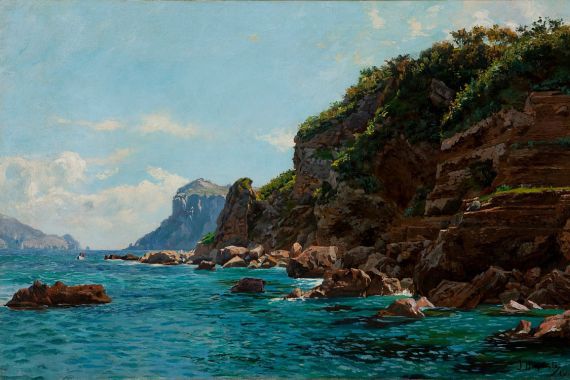
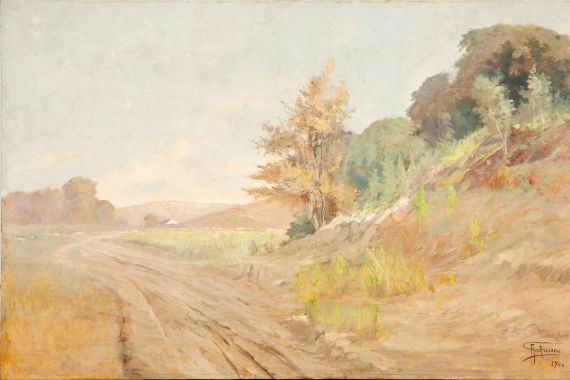
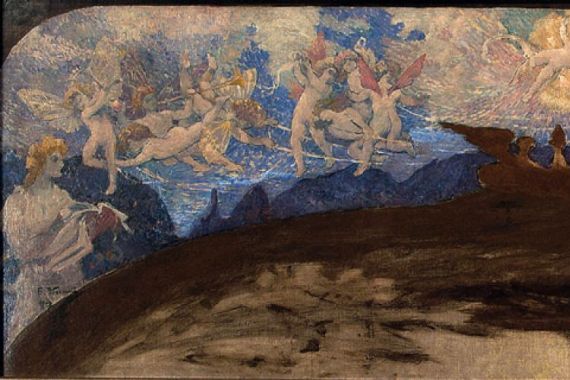
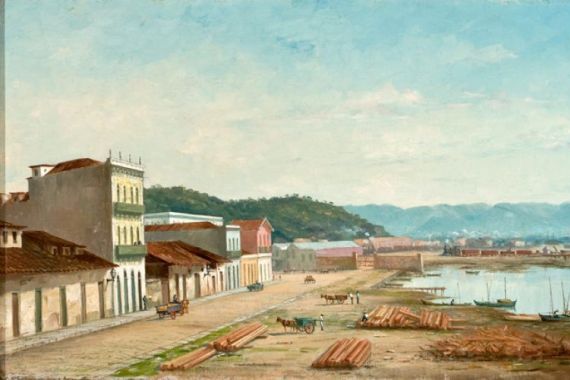
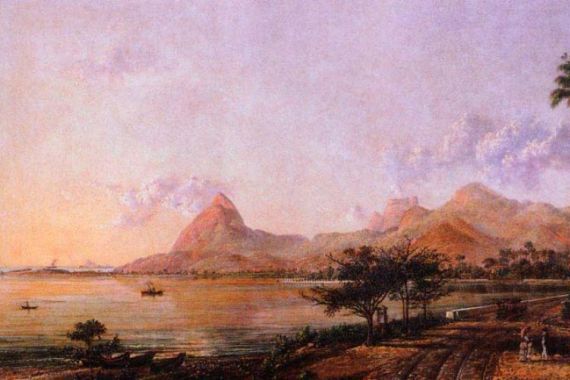
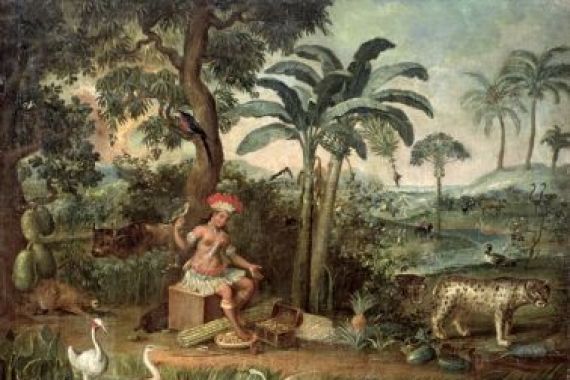
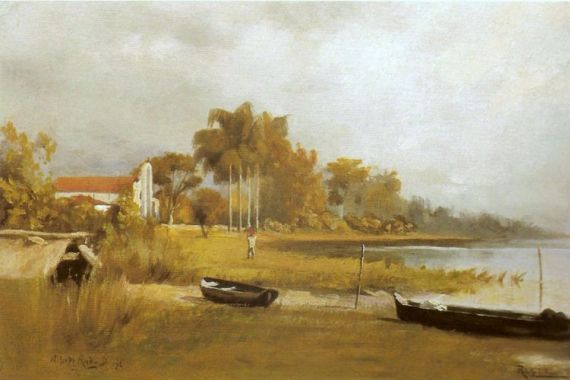
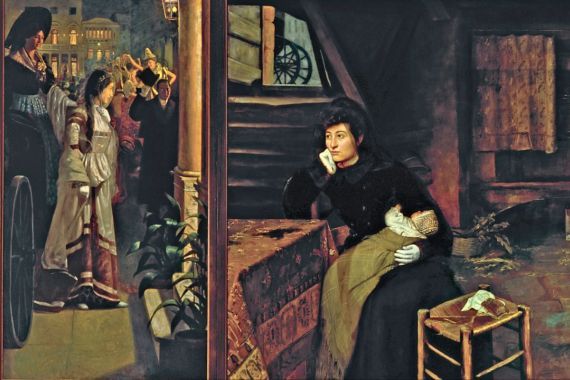
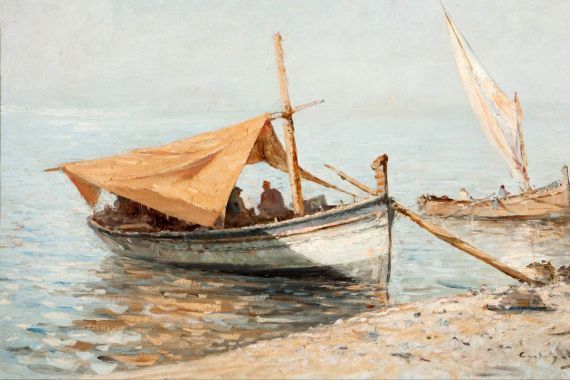
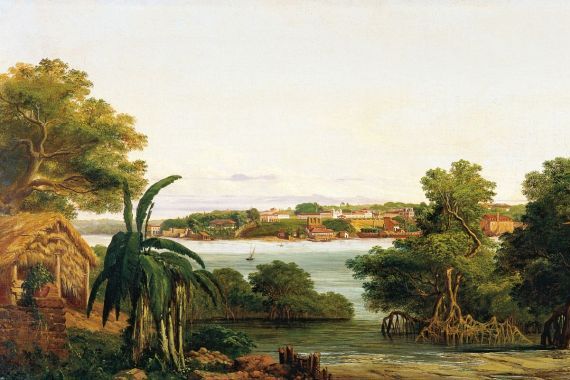
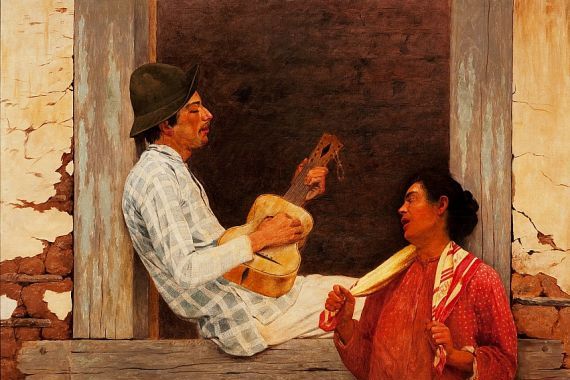
Brazilian painting and graphic art is characterised by a unique mixture of influences: indigenous patterns and myths, African rhythms, European techniques and the irrepressible energy of everyday tropical life. As early as the 19th century, when European artists such as Jean-Baptiste Debret travelled the country and captured the life of slaves, the festivities of the locals and the exotic flora in detailed gouaches, it became clear that Brazil was more than just an exotic motif - it was an artistic promise. Later, when modernism arrived in Rio de Janeiro and São Paulo, the colours on the canvases exploded. Tarsila do Amaral, for example, whose famous painting "Abaporu" with its oversized limbs and surreal landscape became the symbol of a new, self-confident Brazilian art, created works that are still considered the epitome of modernismo today. Her paintings are like windows into a world in which the everyday tips over into the fantastic and the strange becomes familiar.
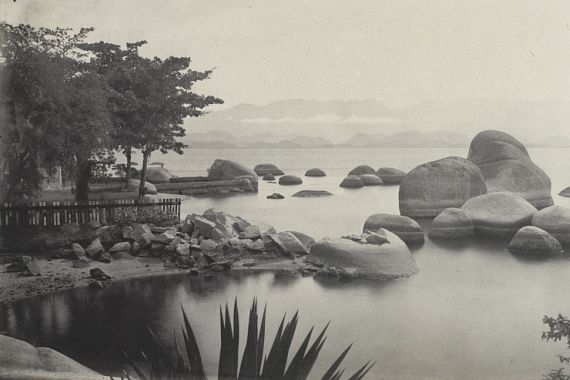
But Brazilian art is never just beautiful, it is also political, evocative and sometimes uncomfortable. The photography of Sebastião Salgado, for example, who documented the lives of farm labourers, the destruction of the rainforest and the dignity of the disenfranchised with his black and white photographs, has set standards worldwide. In the 1960s and 70s, when the country was suffering under a military dictatorship, artists such as Anna Bella Geiger found new forms of expression in printmaking and collage to circumvent censorship and to criticise subtly. Her works are multi-layered commentaries on identity, belonging and the relationship between country and people. And the motif of landscape appears again and again - not as an idyllic panorama, but as a stage for social conflicts and dreams.
Anyone strolling through the studios of São Paulo or Salvador today can sense how lively and experimental the Brazilian art scene has remained. Young artists use watercolour, mixed media, photography and digital media to capture the contrasts of their country: the beauty and the wounds, the hope and the anger. Brazilian art is a kaleidoscope - full of surprises, full of stories, full of colours that resonate long after the light has moved on.
A warm, golden glimmer of light falls through the dense canopy of leaves in the Amazon, dancing on the skin of a woman sitting in the middle of a colourful market and drawing a watercolour with quick, confident strokes. The colours on her paper glow like the parrots flying overhead: lush green, vibrant yellow, a hint of crimson. In Brazil, art is never just an image, but always an echo of nature, a mirror of society and an expression of a deep longing for identity. Anyone who engages with Brazilian art immerses themselves in a world in which light and shadow, tradition and new beginnings, melancholy and joie de vivre wrestle with each other - and constantly reconnect.
Brazilian painting and graphic art is characterised by a unique mixture of influences: indigenous patterns and myths, African rhythms, European techniques and the irrepressible energy of everyday tropical life. As early as the 19th century, when European artists such as Jean-Baptiste Debret travelled the country and captured the life of slaves, the festivities of the locals and the exotic flora in detailed gouaches, it became clear that Brazil was more than just an exotic motif - it was an artistic promise. Later, when modernism arrived in Rio de Janeiro and São Paulo, the colours on the canvases exploded. Tarsila do Amaral, for example, whose famous painting "Abaporu" with its oversized limbs and surreal landscape became the symbol of a new, self-confident Brazilian art, created works that are still considered the epitome of modernismo today. Her paintings are like windows into a world in which the everyday tips over into the fantastic and the strange becomes familiar.
But Brazilian art is never just beautiful, it is also political, evocative and sometimes uncomfortable. The photography of Sebastião Salgado, for example, who documented the lives of farm labourers, the destruction of the rainforest and the dignity of the disenfranchised with his black and white photographs, has set standards worldwide. In the 1960s and 70s, when the country was suffering under a military dictatorship, artists such as Anna Bella Geiger found new forms of expression in printmaking and collage to circumvent censorship and to criticise subtly. Her works are multi-layered commentaries on identity, belonging and the relationship between country and people. And the motif of landscape appears again and again - not as an idyllic panorama, but as a stage for social conflicts and dreams.
Anyone strolling through the studios of São Paulo or Salvador today can sense how lively and experimental the Brazilian art scene has remained. Young artists use watercolour, mixed media, photography and digital media to capture the contrasts of their country: the beauty and the wounds, the hope and the anger. Brazilian art is a kaleidoscope - full of surprises, full of stories, full of colours that resonate long after the light has moved on.
 ×
×







 Passionate Customer Service








 +43 4257 29415
 support@meisterdrucke.com
 Mo-Do: 7:00 - 16:00 | Fr: 7:00 - 13:00