A hint of pomegranate red on rough linen, the light of the morning sun refracted in the rich colours of a watercolour - this is how an encounter with Armenian art begins. Anyone strolling through the streets of Yerevan will encounter it at every turn: in the windows of small galleries, on the walls of old houses, in the hands of young artists filling sketchbooks while sitting on the steps of the opera house. Armenia's art is not a distant museum piece, but a living part of everyday life, a mirror of the soul of a people who have lived between mountains and myths for thousands of years. The colours of Armenia are earthy, deep and full of stories - they tell of loss and hope, of the longing for home and the power of new beginnings.
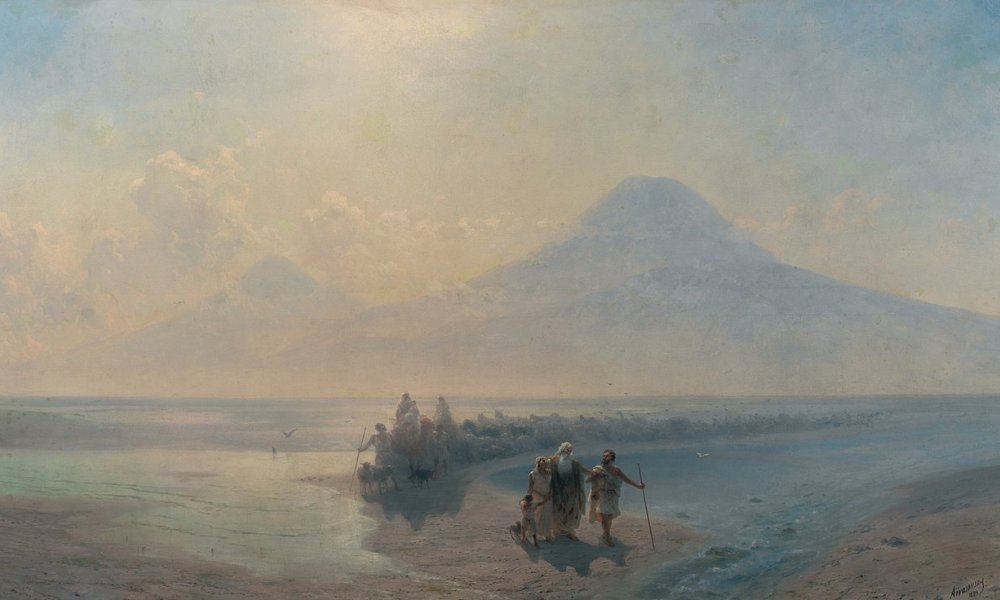
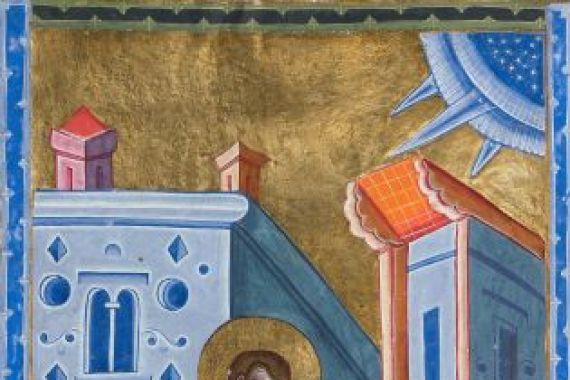
A typical Armenian work of art Perhaps the portrait of an old woman painted by Martiros Sarjan, whose brushstrokes capture the sun of the south and the melancholy of exile at the same time. Or the expressive, almost musical compositions by Minas Avetisyan, in which the light of the Ararat Mountains seems to dance. Armenian painting is characterised by a unique combination of Byzantine tradition, oriental ornamentation and European modernism. Armenian artists have never been content with mere imitation - they have taken what is foreign, transformed it and added their own signature style. The result is works in which the ancient patterns of carpets are interwoven with the clear lines of modernity, in which the everyday - a market stall, a street café, a view from the window - becomes a stage for great emotions.
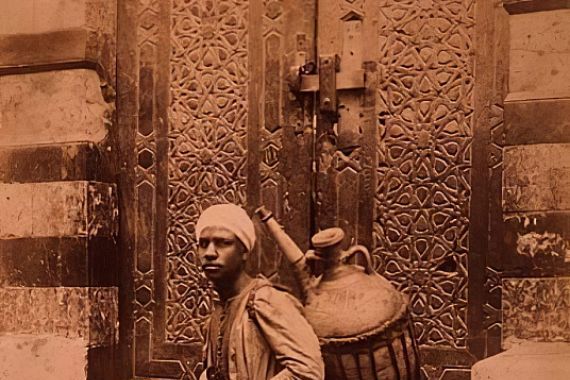
It is surprising how much Armenian art has also been influenced by photography. In the 1920s, when the country was wavering between tradition and awakening, photographers such as Hakob Hovhannisyan captured life in the villages: children playing on dusty streets, women baking bread, men with weather-beaten faces. These pictures are not mere documents, but small works of art that make the invisible visible - the dignity in everyday life, the beauty in simplicity. More recently, artists such as Tigran Tsitoghdzyan have attracted international attention with hyper-realistic portraits and experimental prints. Their works show how Armenia today balances between tradition and globalisation, how the old patterns live on in new forms.
Anyone looking at Armenia's art history discovers a world in which the personal and the collective are inextricably linked. Painting, drawing, printmaking - they all express a deep need to capture and pass on one's own experience. Perhaps this is the secret of Armenian art: it is never just decoration, but always also memory, protest and hope. In every brushstroke, in every line, in every shadow on the paper, you can sense the history of a people who, despite all adversity, have never ceased to believe in the power of images. Anyone who engages with this art takes a piece of Armenia home with them - not as a souvenir, but as a living inspiration.
A hint of pomegranate red on rough linen, the light of the morning sun refracted in the rich colours of a watercolour - this is how an encounter with Armenian art begins. Anyone strolling through the streets of Yerevan will encounter it at every turn: in the windows of small galleries, on the walls of old houses, in the hands of young artists filling sketchbooks while sitting on the steps of the opera house. Armenia's art is not a distant museum piece, but a living part of everyday life, a mirror of the soul of a people who have lived between mountains and myths for thousands of years. The colours of Armenia are earthy, deep and full of stories - they tell of loss and hope, of the longing for home and the power of new beginnings.
A typical Armenian work of art Perhaps the portrait of an old woman painted by Martiros Sarjan, whose brushstrokes capture the sun of the south and the melancholy of exile at the same time. Or the expressive, almost musical compositions by Minas Avetisyan, in which the light of the Ararat Mountains seems to dance. Armenian painting is characterised by a unique combination of Byzantine tradition, oriental ornamentation and European modernism. Armenian artists have never been content with mere imitation - they have taken what is foreign, transformed it and added their own signature style. The result is works in which the ancient patterns of carpets are interwoven with the clear lines of modernity, in which the everyday - a market stall, a street café, a view from the window - becomes a stage for great emotions.
It is surprising how much Armenian art has also been influenced by photography. In the 1920s, when the country was wavering between tradition and awakening, photographers such as Hakob Hovhannisyan captured life in the villages: children playing on dusty streets, women baking bread, men with weather-beaten faces. These pictures are not mere documents, but small works of art that make the invisible visible - the dignity in everyday life, the beauty in simplicity. More recently, artists such as Tigran Tsitoghdzyan have attracted international attention with hyper-realistic portraits and experimental prints. Their works show how Armenia today balances between tradition and globalisation, how the old patterns live on in new forms.
Anyone looking at Armenia's art history discovers a world in which the personal and the collective are inextricably linked. Painting, drawing, printmaking - they all express a deep need to capture and pass on one's own experience. Perhaps this is the secret of Armenian art: it is never just decoration, but always also memory, protest and hope. In every brushstroke, in every line, in every shadow on the paper, you can sense the history of a people who, despite all adversity, have never ceased to believe in the power of images. Anyone who engages with this art takes a piece of Armenia home with them - not as a souvenir, but as a living inspiration.
 ×
×







 Passionate Customer Service

 +43 4257 29415
 support@meisterdrucke.com
 Mo-Do: 7:00 - 16:00 | Fr: 7:00 - 13:00