support@meisterdrucke.com  ·  0043 4257 29415

Deutsch English Italiano Español Français Nederlands Português Svenska Polski Dansk
Search by artist, work title or style – e.g. Monet, Starry Night, Impressionism, Hokusai wave, nude. Describe the scene – e.g. green meadow, abstract with lots of red, dark oil painting, standing nude next to a tree.

Feel the passion of Carlo Saraceni in our art prints.

Our art reproductions bring moments of comfort and joy right into your home.


Discover artworks now!
Österreichische Kunstmanufaktur Erfahrungen & Bewertungen zu Meisterdrucke auf ProvenExpert.com

Feel the passion of Carlo Saraceni in our art prints.

Our art reproductions bring moments of comfort and joy right into your home.

Discover artworks now!
Carlo Saraceni
Passionate Customer Service
Museum Quality Art Prints
Individual Customization Options
Österreichische Kunstmanufaktur Passionate Customer Service
Museum Quality Art Prints
Individual Customization Options
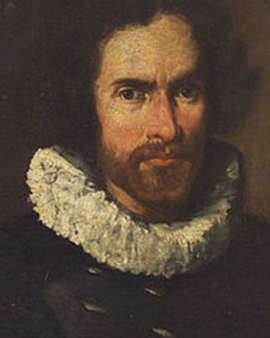
Carlo Saraceni

Carlo Saraceni

    1579   -   June 16, 1620
Baroque   •   Wikipedia: Carlo Saraceni

In the 16th century, the proud and rich Republic of Venice entered a period of unstoppable decline - dominated by power, wealth and greed, the Venetians celebrated themselves to death, while other peoples all around expanded their powers. Only the visual arts of the Baroque period achieved a successful synthesis of genius, material and technique in Venice as well as in Rome, barely 400 kilometers away, so that painting reached its highest level of perfection up to that time. Masterpieces of high expressiveness and special beauty were created. Rome and Venice had simultaneously become special attractions for the most famous artists. Among the great painters of that time was Carlo Saraceni. In 1579 Carlo Saraceni was born in Venice to a family of silk merchants from Bologna. He owed his artistic education to the lagoon city and at the age of 20 Saraceni then went to Rome. Here he spent large periods of his short life and here he was called "Carlo Venetiano". Later returning to Venice, the master of Baroque painting died in June 1620, in the midst of work on paintings for the Hall of the Great Council of Venice.

During his time in Rome, Saraceni's paintings appeared to be influenced to a lesser extent by the Venetian painting of Bassano, Veronese or Tintoretto, but rather by Flemish and German painters. These included the German painters Adam Elsheimer and Hans Rottenhammer as well as the Flemish Pietro Mera and Gasper Rem, who had perfected small-format painting on copper and thus also developed an astonishingly active trade. When Saraceni arrived in Rome in 1598, he was probably more intrigued by the artistic fervor in the papal city. After all, the upcoming millennium was to be greeted with beautifully restored churches. At the same time, Baroque painters were experimenting with new contemporary painting styles and the selection of particular naturalistic motifs. Particular influence on Carlo Saraceni is attributed to Michelangelo Merisi (or: Amerighi), called Caravaggio, who combined artistic perfection with actual criminal tendencies. In particular, Carvaggio's paintings in the Contarelli Chapel in San Luigi dei Francesi had deeply impressed Saraceni - and consequently Saraceni's style approached the expression of the restless Carvaggio. Thus, Carlo Saraceni's mode of expression in his paintings was characterized by a sentimental, almost elegiac timbre, by an internalized and very human religiosity, and by a natural fascination for colors. Saraceni's closeness to Carvaggio also earned him several commissions for altarpieces complementary to Caravaggio's works, for example for the church of Santa Maria della Scala in Rome's Trastevere district.

After Carlo Saraceni executed highly acclaimed commissioned paintings for influential Roman families, intended for private devotions in small chapels and oratories, he became one of the most important protagonists of painting in the early 17th century. Other highlights of his artistic career were the large fascinating altarpieces.

Carlo Saraceni

    1579   -   June 16, 1620
Baroque   •   Wikipedia: Carlo Saraceni Carlo Saraceni

In the 16th century, the proud and rich Republic of Venice entered a period of unstoppable decline - dominated by power, wealth and greed, the Venetians celebrated themselves to death, while other peoples all around expanded their powers. Only the visual arts of the Baroque period achieved a successful synthesis of genius, material and technique in Venice as well as in Rome, barely 400 kilometers away, so that painting reached its highest level of perfection up to that time. Masterpieces of high expressiveness and special beauty were created. Rome and Venice had simultaneously become special attractions for the most famous artists. Among the great painters of that time was Carlo Saraceni. In 1579 Carlo Saraceni was born in Venice to a family of silk merchants from Bologna. He owed his artistic education to the lagoon city and at the age of 20 Saraceni then went to Rome. Here he spent large periods of his short life and here he was called "Carlo Venetiano". Later returning to Venice, the master of Baroque painting died in June 1620, in the midst of work on paintings for the Hall of the Great Council of Venice.

During his time in Rome, Saraceni's paintings appeared to be influenced to a lesser extent by the Venetian painting of Bassano, Veronese or Tintoretto, but rather by Flemish and German painters. These included the German painters Adam Elsheimer and Hans Rottenhammer as well as the Flemish Pietro Mera and Gasper Rem, who had perfected small-format painting on copper and thus also developed an astonishingly active trade. When Saraceni arrived in Rome in 1598, he was probably more intrigued by the artistic fervor in the papal city. After all, the upcoming millennium was to be greeted with beautifully restored churches. At the same time, Baroque painters were experimenting with new contemporary painting styles and the selection of particular naturalistic motifs. Particular influence on Carlo Saraceni is attributed to Michelangelo Merisi (or: Amerighi), called Caravaggio, who combined artistic perfection with actual criminal tendencies. In particular, Carvaggio's paintings in the Contarelli Chapel in San Luigi dei Francesi had deeply impressed Saraceni - and consequently Saraceni's style approached the expression of the restless Carvaggio. Thus, Carlo Saraceni's mode of expression in his paintings was characterized by a sentimental, almost elegiac timbre, by an internalized and very human religiosity, and by a natural fascination for colors. Saraceni's closeness to Carvaggio also earned him several commissions for altarpieces complementary to Caravaggio's works, for example for the church of Santa Maria della Scala in Rome's Trastevere district.

After Carlo Saraceni executed highly acclaimed commissioned paintings for influential Roman families, intended for private devotions in small chapels and oratories, he became one of the most important protagonists of painting in the early 17th century. Other highlights of his artistic career were the large fascinating altarpieces.

Artworks by Carlo Saraceni

Artworks by Carlo Saraceni

32 artworks found
Sort by

Filter settings

Display settings
32 artworks found

Carlo Saraceni
The Fall of Icarus
Undated | oil on canvas

Choose picture

Carlo Saraceni
 
Undated |

Choose picture

Carlo Saraceni
The Birth of the Virgin, c.1616-19
Undated | oil on canvas

Choose picture

Carlo Saraceni
Moses defending the Daughters of...
Undated |

Choose picture

Carlo Saraceni
Saint Lazarus and the rich man (...
Undated |

Choose picture

Carlo Saraceni
 
Undated |

Choose picture

Carlo Saraceni
Lazarus and the rich spendthrift...
Undated |

Choose picture

Jean Leclerc
Rust op de vlucht naar Egypte
Undated | paper

Choose picture

Carlo Saraceni
German: Der Heilige Martin und ...
1610 |

Choose picture

Carlo Saraceni
Saint Cecilia and Angel, by Carl...
Undated | oil on canvas

Choose picture

Carlo Saraceni
Saint Cecilia and the Angel oil ...
Undated | oil on canvas

Choose picture

Carlo Saraceni
Judith with the Head of Holofern...
Undated |

Choose picture

Carlo Saraceni
Judith with the head of Holofern...
Undated |

Choose picture

Carlo Saraceni
""Saint Martin et un mendiant"" ...
Undated |

Choose picture

Carlo Saraceni
Judith with the head of Holofern...
1615 | oil on canvas

Choose picture

Carlo Saraceni
Saint Cecile and the Angel Paint...
Undated | painting

Choose picture

Carlo Saraceni
 
Undated | oil on canvas

Choose picture

Carlo Saraceni
La naissance de la Vierge - Birt...
Undated |

Choose picture

Carlo Saraceni
 
Undated |

Choose picture

Carlo Saraceni
Paradise, ca. 1598.
Undated |

Choose picture

Carlo Saraceni
The denial of St. Peter. Paintin...
Undated | painting

Choose picture

Carlo Saraceni
Saint Cecilia and the Angel
Undated | oil on canvas

Choose picture

Carlo Saraceni
Venus und Mars. Um 1600
Undated | Oil on copper

Choose picture

Carlo Saraceni
Unbekanntes Bild
Undated | oil on canvas

Choose picture

Carlo Saraceni
Paradise, c.1598 (oil on copper)
Undated | oil on copper

Choose picture

Carlo Saraceni
Moses verteidigt die Töchter des...
Undated | Oil on copper

Choose picture

Carlo Saraceni
 
Undated | oil on canvas

Choose picture


Page 1 / 1


What our customers think about us


Frequently Asked Questions about Meisterdrucke


Personalizing your art print at Meisterdrucke is simple and intuitive: Choose a frame, set the image size, pick a printing medium, and add suitable glazing or a stretcher frame. We also offer additional customization options like mats, fillets, and spacers. If you have any questions, our customer service team is ready to help you create your perfect artwork.

At Meisterdrucke, you can visualize your configured artwork directly in your own room. Simply upload a photo of your space and see how the artwork looks in it. If you're visiting us on a mobile device — phone or tablet — our augmented reality feature brings the picture to life and projects it right into your room. A unique experience that combines art and technology.

Choosing the right medium is often a matter of personal taste. To give you a better idea, we've provided some images for each medium. We also offer a sample set of all paper variants, so you can decide not just visually but by touch as well. You can order the sample set free of charge — only shipping costs apply.

Don't worry! At Meisterdrucke, we don't just process orders mechanically. Every order is manually reviewed by our team. If we spot any inconsistencies or issues with your configuration, we'll get in touch with you right away. And of course, our friendly and patient support team is always here to help you with your configuration. We'll work with you by phone or email to adjust your image so the final result is exactly what you had in mind.


Still have questions?

Are you interested in an art print from our manufactory but still unsure? Do you need advice on choosing the medium or help with the order?

Our experts are happy to assist you.

+43 4257 29415
support@meisterdrucke.com
Mo-Do: 7:00 - 16:00 | Fr: 7:00 - 13:00
Still have questions?

Are you interested in an art print from our manufactory but still unsure? Do you need advice on choosing the medium or help with the order?

Our experts are happy to assist you.

+43 4257 29415
support@meisterdrucke.com
Mo-Do: 7:00 - 16:00 | Fr: 7:00 - 13:00


Meisterdrucke

   Kärntner Strasse 46
        9586 Finkenstein am Faaker See
        Austria
        +43 4257 29415
        support@meisterdrucke.com
Other languages

                   
Erfahrungen & Bewertungen zu Meisterdrucke
Post.at DHL Express Quehenberger Cargoboard
Kaiser Franz Joseph

Meisterdrucke
Kärntner Strasse 46
9586 Finkenstein am Faaker See · Austria
+43 4257 29415 · office@meisterdrucke.com
Post.at DHL Express Quehenberger Cargoboard


(c) 2026 meisterdrucke.ie