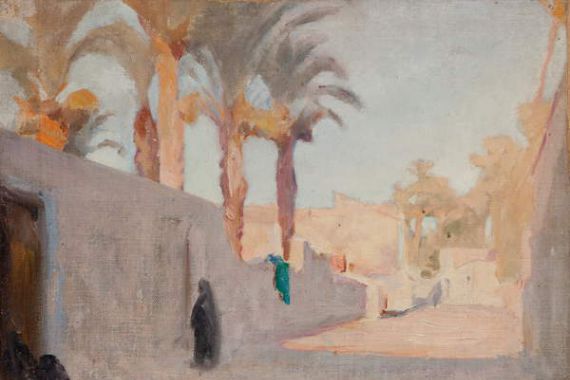
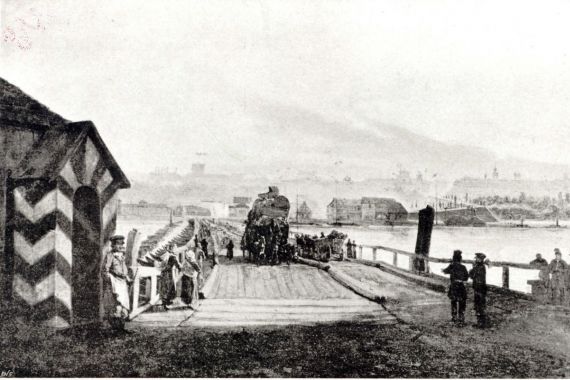
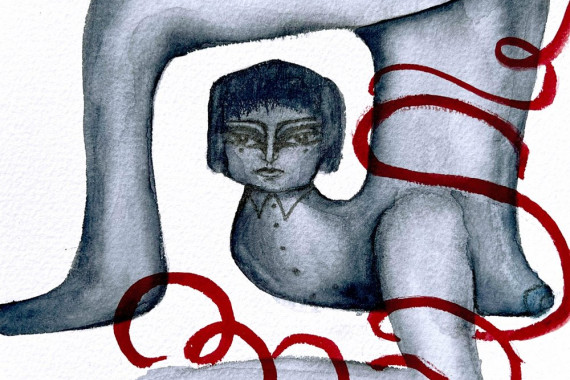
It was a rainy afternoon in Krakow when I - a young painter in search of inspiration - strolled through the narrow streets of the old town. The sky hung heavy over the tiled roofs and the light breaking through the clouds bathed the city in a silvery glow. In a small café with steamed-up windows, I discovered a watercolour sketch on the wall: a fleeting view of the Vistula, captured with a few decisive brushstrokes. The scene seemed like a silent promise - as if Poland's art was constantly emerging from the mists of history, surprisingly clear and full of life.
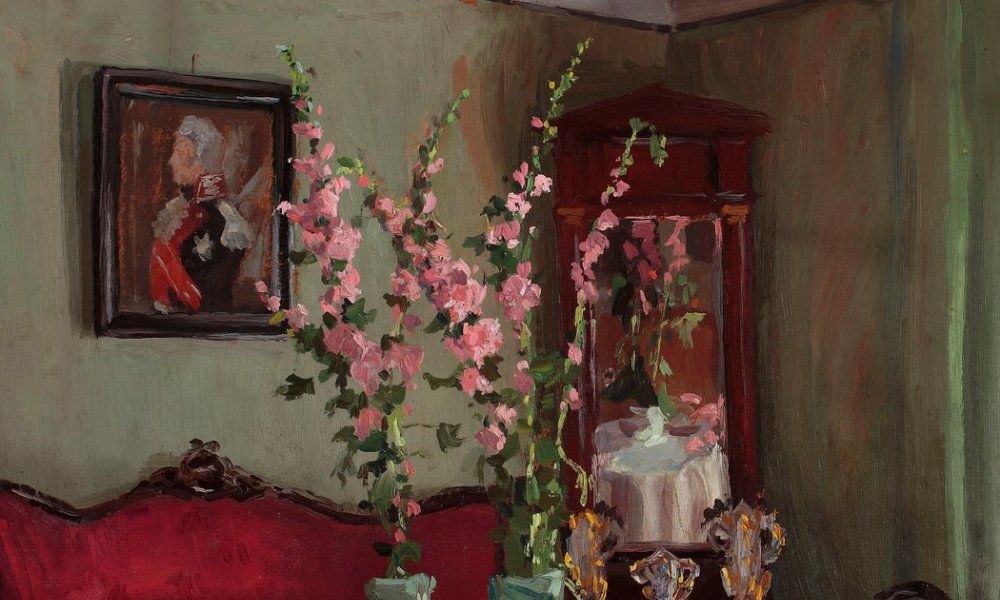
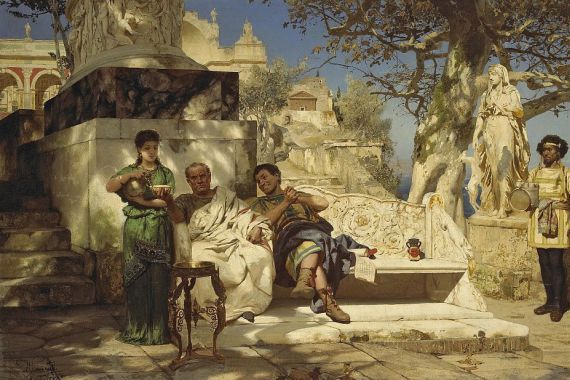
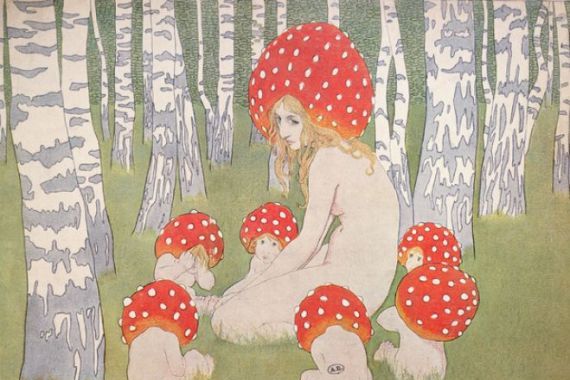
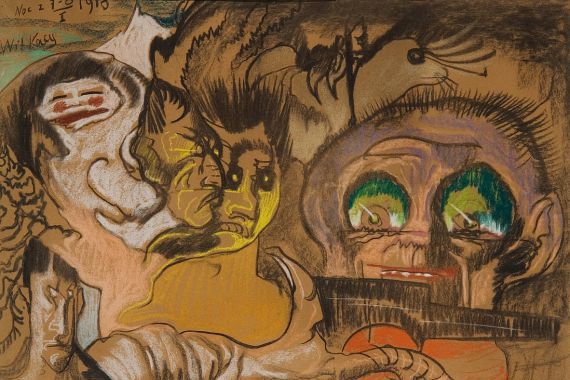
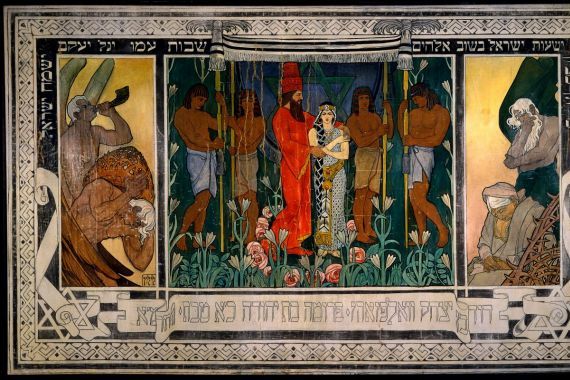
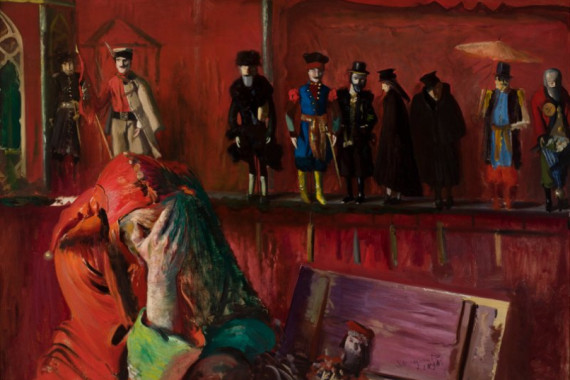
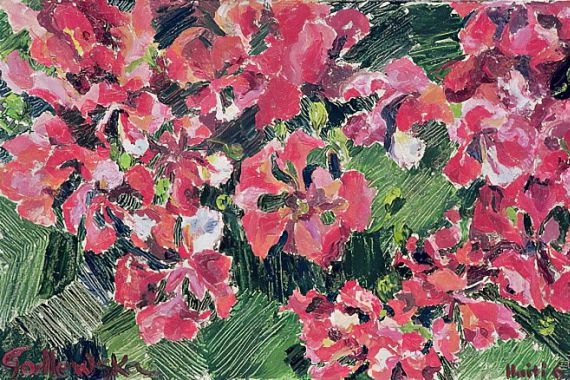
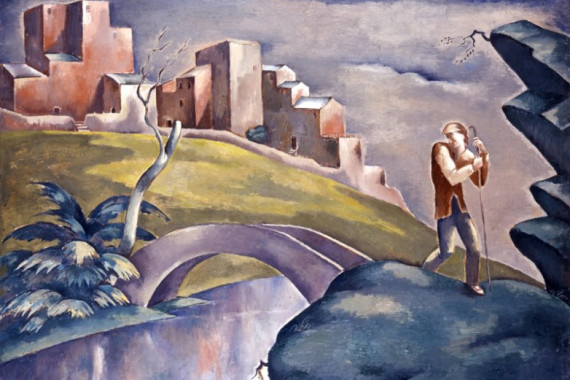
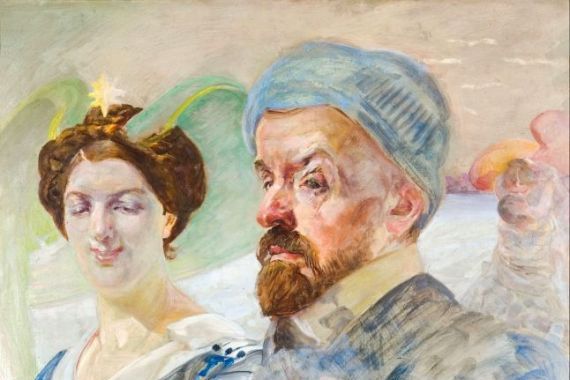
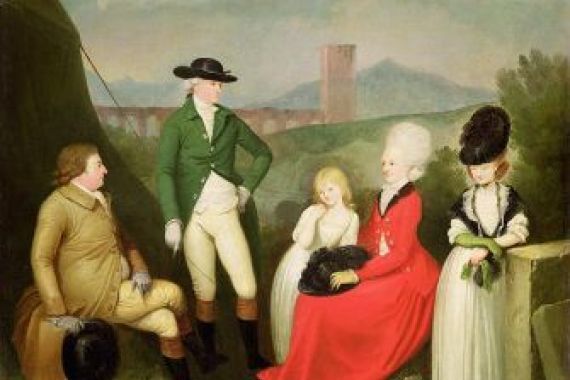
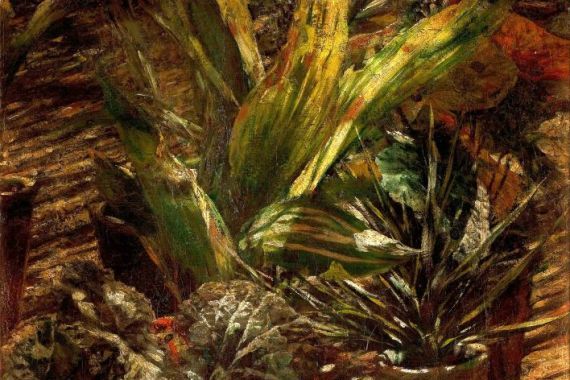
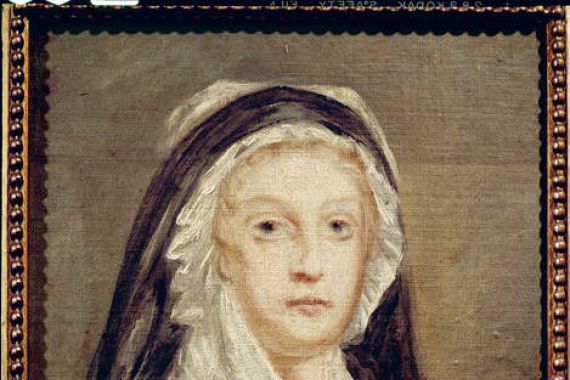
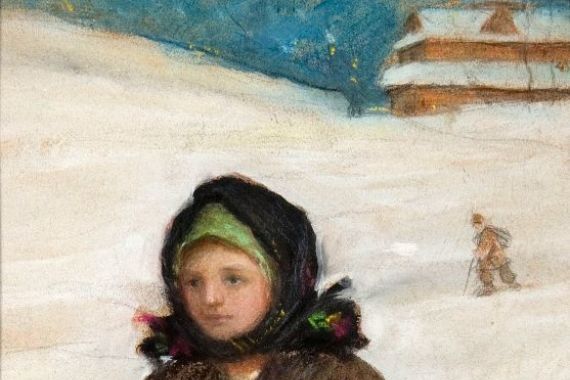
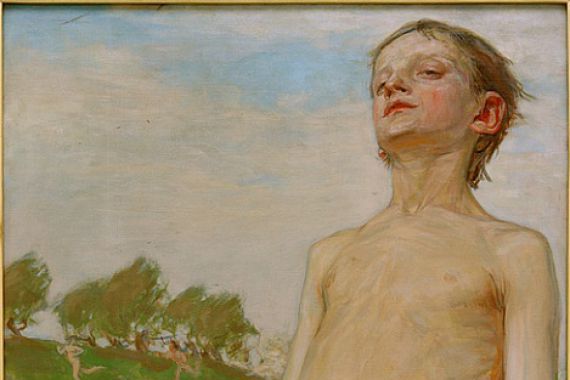
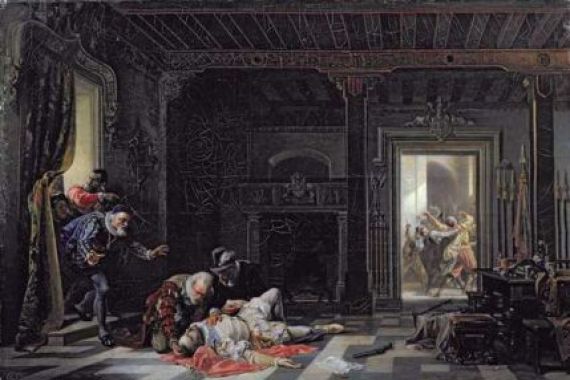
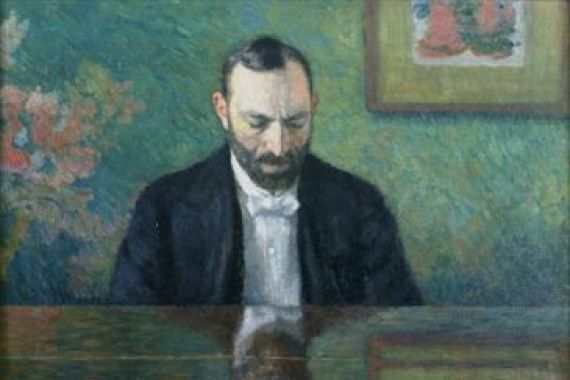
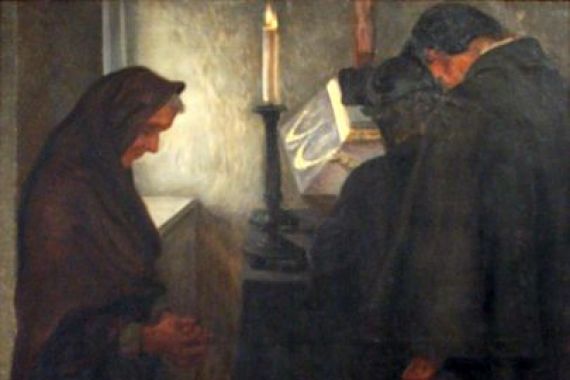
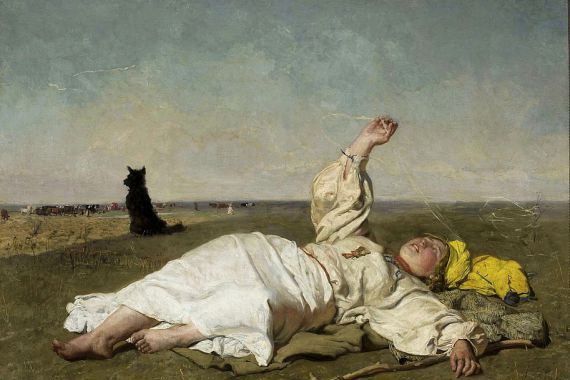
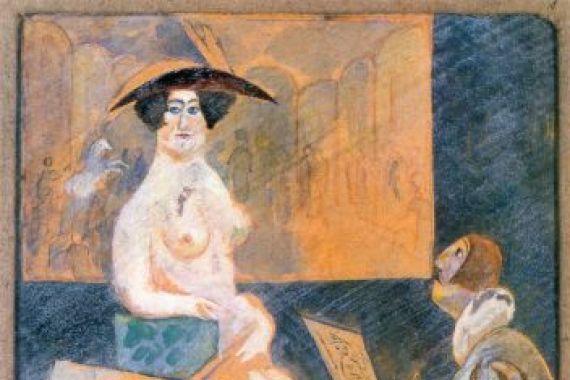
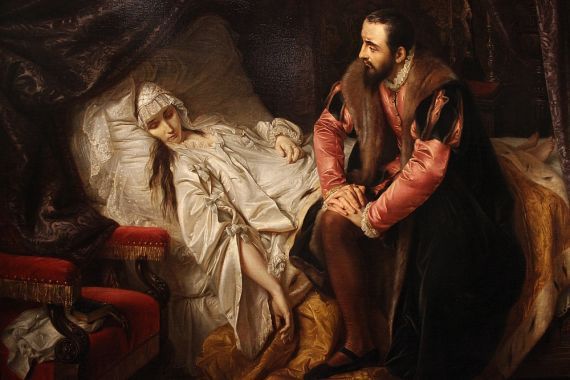
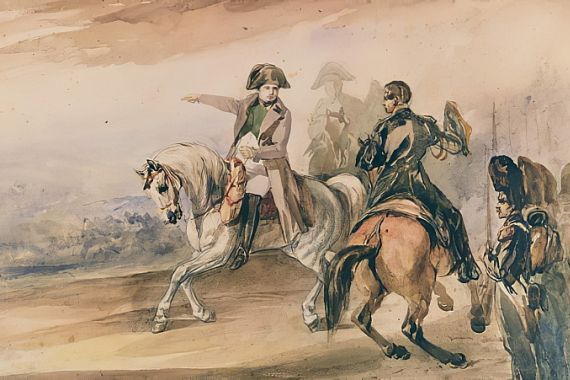
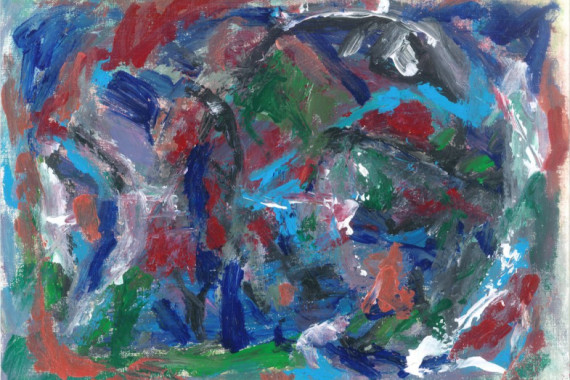
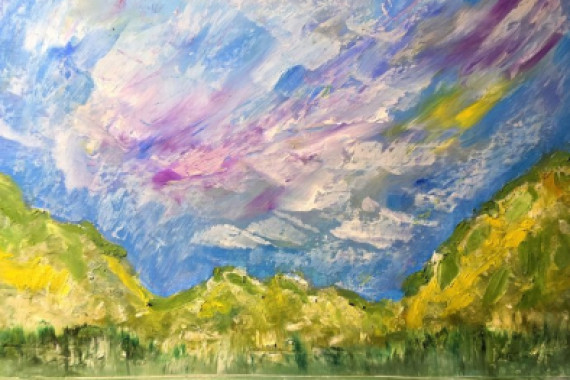
Polish painting is a kaleidoscope of colours, emotions and stories, moving between the extremes of melancholy and new beginnings. Anyone who thinks of the works of Jacek Malczewski, for example, immediately senses the deep symbolism that pervades his paintings: Here, dream and reality, myths and personal longing merge into a visual language that casts a spell over the viewer. The artists of the "Young Poles" movement, to which Malczewski also belonged, dared to unite national identity and individual feelings in bright oil colours and delicate pastels. Their works are like windows into a time when Poland was politically torn, but artistically all the more vibrant. And then there is the expressive power of Witkacy, whose portraits and drawings often seem like a frenzy - wild, experimental, full of irony and existential depth.
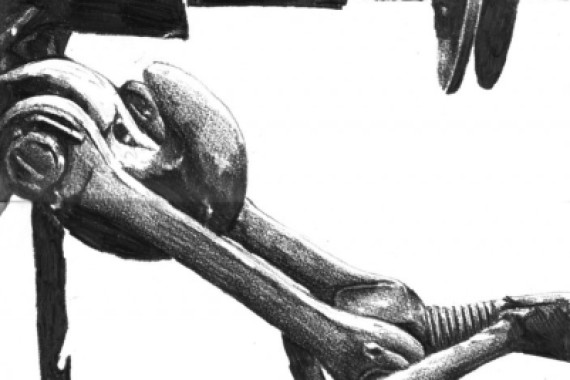
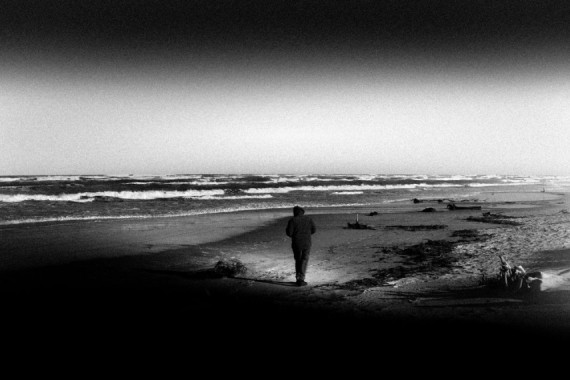
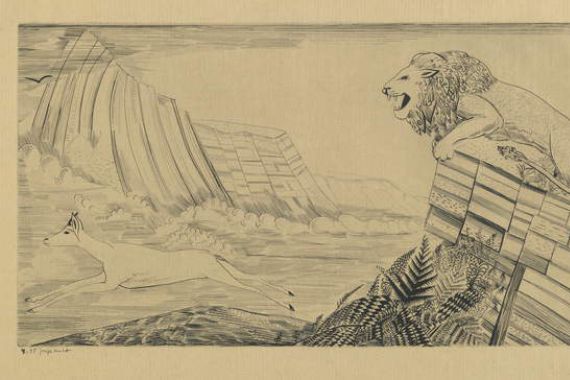
But Poland's art history is not only characterised by big names. It is also characterised by quiet revolutions: Photography, for example, long a medium of documentation, was elevated to an art form in Poland at an early stage. Zofia Rydet, whose "Sociological Atlas" captured rural life in thousands of black and white photographs, created a visual memory of the country that still fascinates today. And in printmaking, from the expressive etchings of Józef Gielniak to the experimental screen prints of the post-war period, the tireless drive of Polish artists to break new ground is reflected - often in the shadow of political restrictions, but always with an unmistakable signature.
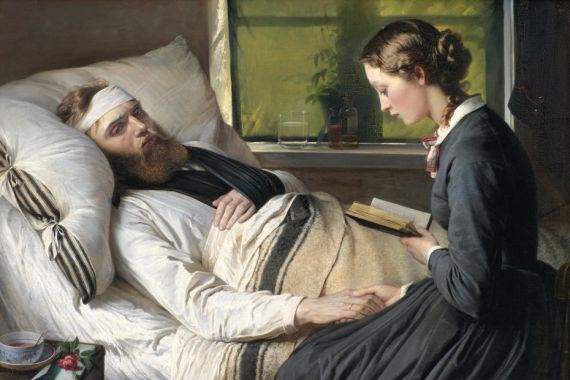
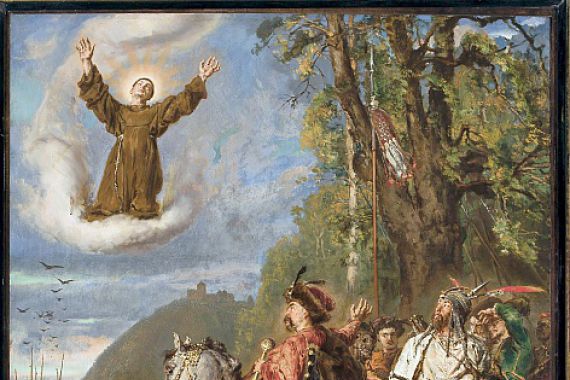
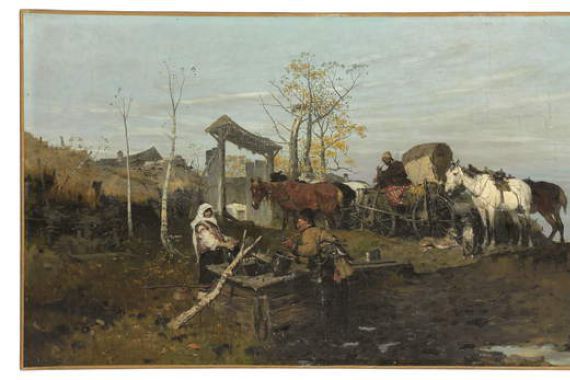
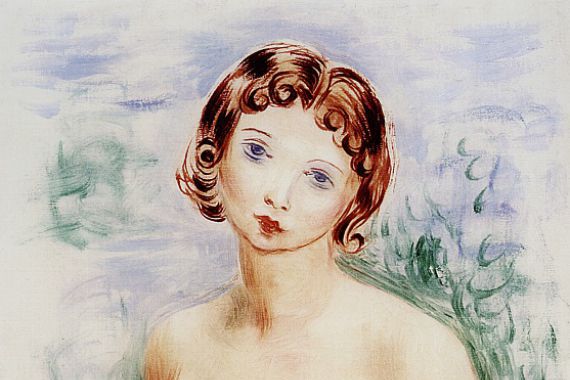
Polish art is thus a constant interplay of light and shadow, hope and doubt. It tells of a country that is constantly reinventing itself - in watercolours that seem like fleeting memories, in oil paintings that capture entire eras on canvas, and in photographs that make the invisible visible. Anyone who engages with this art discovers not only Poland, but also the power of images to capture the unspeakable.
It was a rainy afternoon in Krakow when I - a young painter in search of inspiration - strolled through the narrow streets of the old town. The sky hung heavy over the tiled roofs and the light breaking through the clouds bathed the city in a silvery glow. In a small café with steamed-up windows, I discovered a watercolour sketch on the wall: a fleeting view of the Vistula, captured with a few decisive brushstrokes. The scene seemed like a silent promise - as if Poland's art was constantly emerging from the mists of history, surprisingly clear and full of life.
Polish painting is a kaleidoscope of colours, emotions and stories, moving between the extremes of melancholy and new beginnings. Anyone who thinks of the works of Jacek Malczewski, for example, immediately senses the deep symbolism that pervades his paintings: Here, dream and reality, myths and personal longing merge into a visual language that casts a spell over the viewer. The artists of the "Young Poles" movement, to which Malczewski also belonged, dared to unite national identity and individual feelings in bright oil colours and delicate pastels. Their works are like windows into a time when Poland was politically torn, but artistically all the more vibrant. And then there is the expressive power of Witkacy, whose portraits and drawings often seem like a frenzy - wild, experimental, full of irony and existential depth.
But Poland's art history is not only characterised by big names. It is also characterised by quiet revolutions: Photography, for example, long a medium of documentation, was elevated to an art form in Poland at an early stage. Zofia Rydet, whose "Sociological Atlas" captured rural life in thousands of black and white photographs, created a visual memory of the country that still fascinates today. And in printmaking, from the expressive etchings of Józef Gielniak to the experimental screen prints of the post-war period, the tireless drive of Polish artists to break new ground is reflected - often in the shadow of political restrictions, but always with an unmistakable signature.
Polish art is thus a constant interplay of light and shadow, hope and doubt. It tells of a country that is constantly reinventing itself - in watercolours that seem like fleeting memories, in oil paintings that capture entire eras on canvas, and in photographs that make the invisible visible. Anyone who engages with this art discovers not only Poland, but also the power of images to capture the unspeakable.